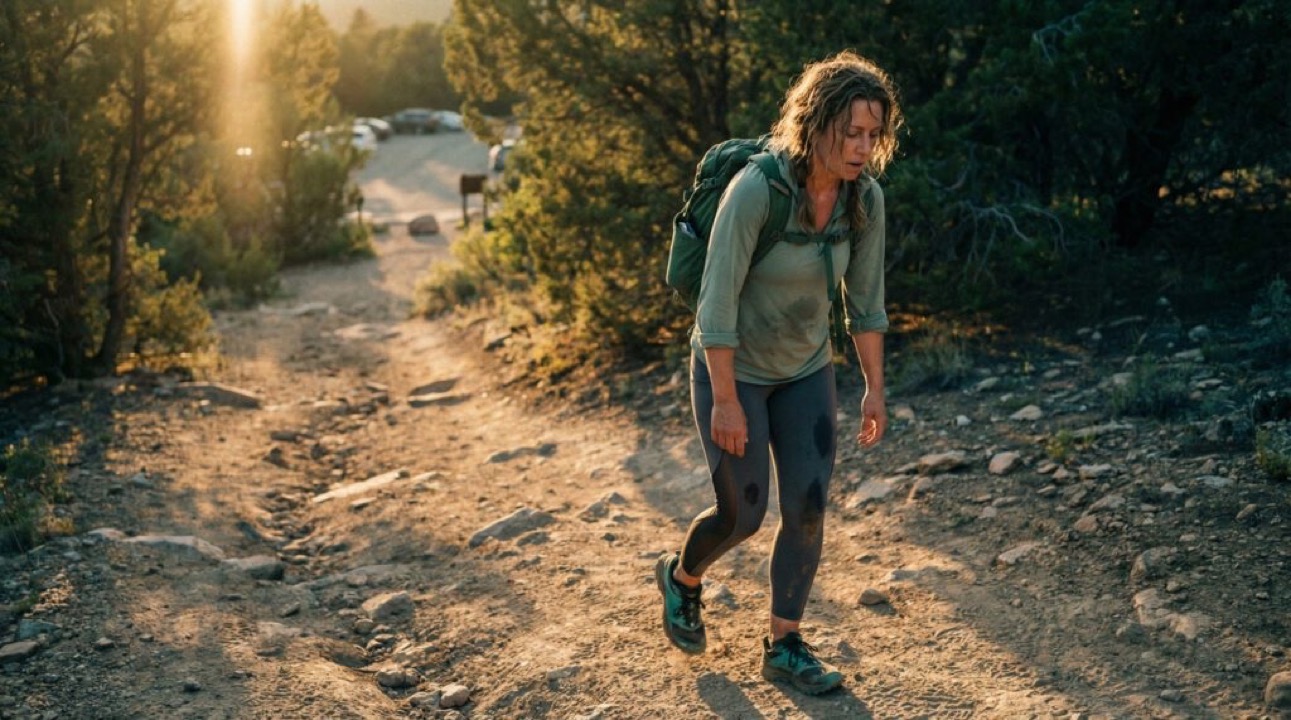
How Long Does It Take to Hike 5 Miles? Pace, Terrain, and Time
FITNESS & DISTANCE

HOW LONG
DOES IT
TAKE TO HIKE

⚡ Direct Trail Answer

Prepare for sudden weather shifts with 3 functional layers: a wicking base layer, insulating fleece mid-layer, and waterproof breathable shell. Strictly avoid cotton fabrics in cold or wet conditions.

Published by Fama Blog
STEP 01 • PRIMARY PRINCIPLE
THE 3-LAYER SYSTEM
THERMAL REGULATION

Layering allows immediate temperature adjustments to prevent sweating during climbs and chills during summit rests.

🏛️ Verified Standard: National Outdoor Leadership School (NOLS) wilderness curriculum teaches three-layer systems for all climate zones.
Published by Fama Blog
STEP 02 • CORE MECHANICS
THE COTTON TRAP
HYPOTHERMIA HAZARD

Cotton absorbs water, stays soaked, and conducts heat away from the body 25 times faster than dry air.

🏛️ Verified Standard: Wilderness Medical Society hypothermia guidelines explicitly warn that 'cotton kills' in damp mountain environments.
Published by Fama Blog
STEP 03 • SAFETY & RULES
THUNDERSTORM TRIGGER
LIGHTNING SAFETY

Descend immediately below alpine treeline if thunder rumbles; lightning strikes ridges and tall solitary trees first.

🏛️ Verified Standard: National Weather Service lightning protocols advise that 'when thunder roars, head to lower ground immediately.'
Published by Fama Blog
STEP 04 • DISTANCE & PACING
SUN & WIND EXPOSURE
UPF PROTECTION

High-altitude trails expose hikers to intense UV radiation and drying wind; wear UPF 50+ hoodies and wrap-around eyewear.

🏛️ Verified Standard: CDC skin cancer prevention data shows UV radiation intensity increases by 4% for every 1,000 feet of elevation gain.
Published by Fama Blog
STEP 05 • FINAL FIELD CHECK
EXECUTION

Check offline navigation, hydration, and weather forecast before leaving the trailhead.

⚡ PRO RULE: Pack an emergency ultralight space bivy; wrapping yourself in reflective mylar reflects 90% of radiated body heat.
Published by Fama Blog