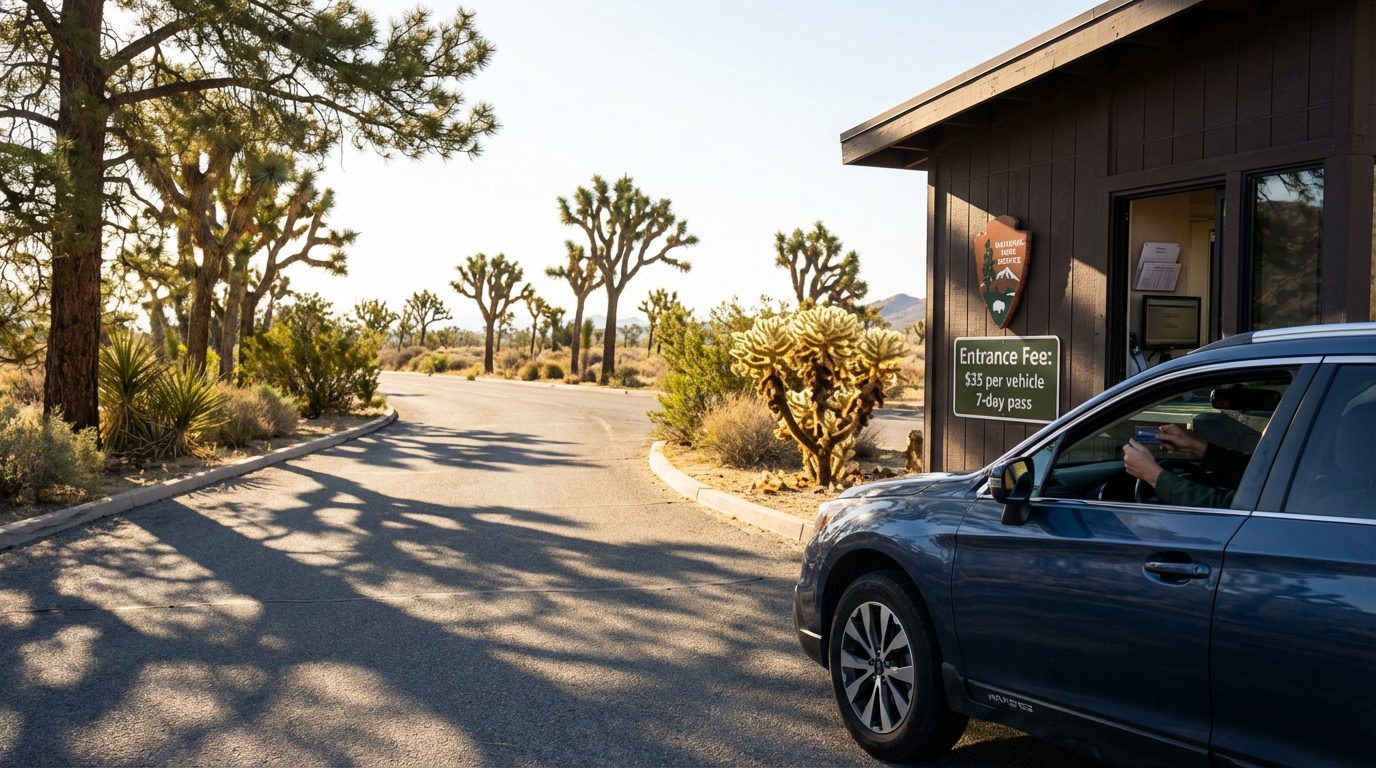
WHY DO HIKING TRAILS COST
MONEY? FEES, PASSES & TRAIL UPKEEP
Trails do not maintain themselves. In designated Wilderness Areas, federal law bans motorized chainsaws and heavy machinery; professional trail crews must hike miles on foot with crosscut saws, pick mattocks, and rock bars to clear timber.
Pumping remote trailhead vault toilets requires specialized heavy suction pump trucks navigating rugged washboard mountain roads. User fees fund toilet paper stocking, solar pump stations, and routine trash and recycling evacuation.
Under the Federal Lands Recreation Enhancement Act (FLREA), at least eighty percent of recreation fees collected at a trailhead stay right at that specific park or forest unit rather than disappearing into general government treasuries.
For frequent hikers, individual day-use fees ($5 to $35) add up quickly. The $80 America the Beautiful Interagency Pass grants unlimited access to all National Parks, National Forests, BLM lands, and US Fish & Wildlife refuges for twelve months.
Millions of hiking boot impacts compact soil and strip vegetation, turning trails into eroding water gullies during rainstorms. Fee revenues fund stone check-steps, timber water bars, and switchback retaining walls that protect delicate mountain hillsides.