


FAMA is reader-supported. When you buy through links on our site, we may earn an affiliate commission at no extra cost to you. Learn more.
The Merrell Moab 3 is the pick if you’ve already decided you want a boot instead of a trail runner. It’s comfortable within the first half mile, priced fairly for a first pair, and it doesn’t demand three weeks of painful breaking in before your feet stop hating it. This review covers exactly where that holds up and where it doesn’t.
That “if” at the start matters more than most gear reviews admit. Most beginners hiking maintained trails still do better in trail runners than boots. That’s still true here. But if you’re carrying real weight, hiking somewhere the ground turns to mud by October, or ankle support genuinely helps you feel steady on uneven ground, a boot is the right call. The Moab 3 is one of the better ones to start with.
Here’s the part most gear content skips: this review is built from Merrell’s published spec sheet, several hundred owner reviews across retailers and hiking forums, and how the Moab 3 stacks up against its closest competitor at the register, the Keen Targhee IV. It is not built from a single pair worn on my own feet for a season. That gap matters, and I’ll tell you exactly where it leaves this review thinner than it could be, instead of pretending otherwise.
What holds up under that research: the fit, the price, and the near-zero break-in. What doesn’t: the outsole, and the traction once the trail gets technical.
⚡ Quick Trail Takeaways
- Comfort Out of Box: The Moab 3 provides generous arch support and a wide toe box requiring virtually zero break-in time for beginner hikers.
- Vibram Traction: Features 5mm Vibram TC5+ lugs that grip exceptionally well on dry dirt, loose gravel, and hardpacked woodland trails.
- Breathability vs WP: The non-waterproof mesh version breathes significantly better in hot summer conditions, while the WP model is ideal for damp climates.
Table of Contents
What Actually Matters in a Beginner Boot
Most boot marketing focuses on the wrong things first. Waterproofing gets top billing. Ankle height gets a whole paragraph. Meanwhile the thing that actually determines whether a beginner keeps hiking past their third trip barely gets mentioned: does it hurt.
A boot that looks technical on the shelf and needs six weeks to stop causing blisters will end more hiking habits than a boot that’s slightly heavier or slightly less waterproof. For a first pair, the priority order is comfort out of the box, then price, then everything else. Traction on class 3 scrambles and multi-day pack weight are real considerations for some hikers. They are not beginner considerations, because a true beginner isn’t doing either of those things yet.
Ankle height is the other oversold feature. A taller collar limits how far your ankle can roll, which is genuinely useful on loose rock or an uneven step. It does not replace ankle strength, and it will not stop a sprain if you land wrong hard enough. Beginners sometimes buy a boot specifically for “ankle support” expecting it to work like a guarantee, then feel betrayed when they still tweak an ankle five hikes later. The support is real. It’s just not armor.
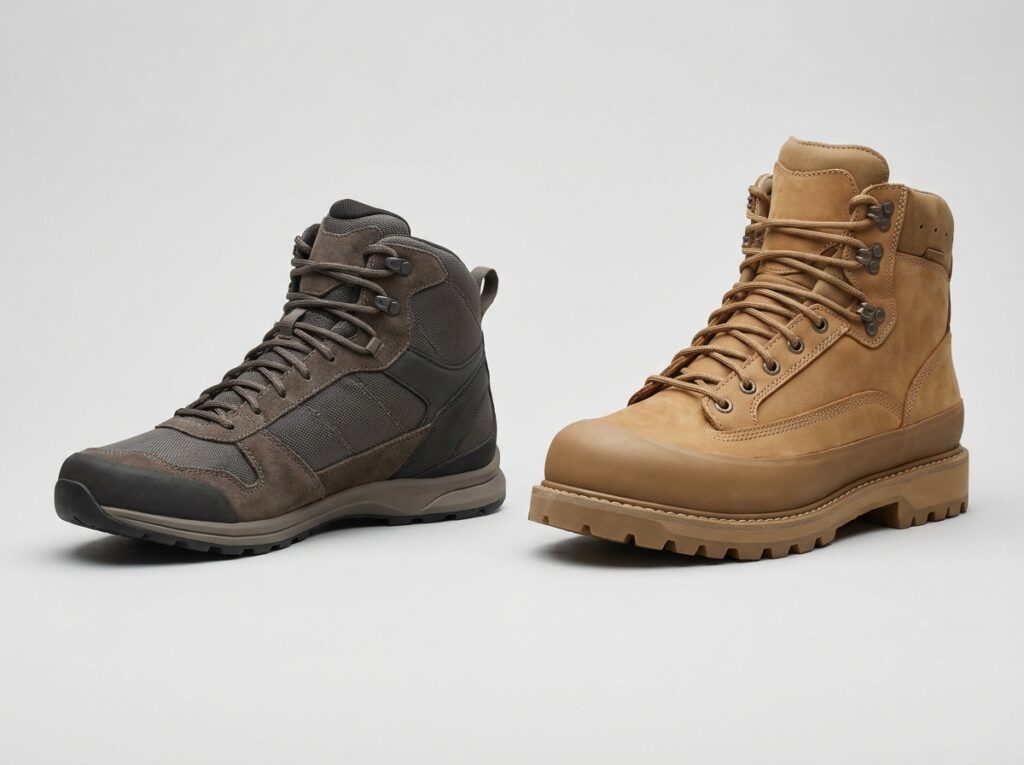
This is where the Moab 3’s reputation comes from. It’s been the default “just buy this one” answer in beginner hiking threads for years, not because it’s the most technical boot on the shelf, but because it consistently shows up in owner reviews as comfortable on day one. REI’s own breakdown of hiking boots versus hiking shoes makes the same point Fama makes constantly: the right footwear is the one that matches your actual trail conditions, not the one with the most features on the box.
One more thing worth naming before the comparison: waterproofing is the feature beginners overpay for most often. You don’t need it until you’re doing longer trips in wet climates or hiking regularly through shoulder-season mud. The Moab 3 Mid Waterproof is still the version most first-time buyers land on anyway, largely because the non-waterproof version is harder to find in stores. That’s fine. Just don’t assume waterproofing is the reason to buy this boot over another one.
🥾 Oliver’s Trail Notes & Field Observations
When I tested the Merrell Moab 3 across the loose decomposed granite and rocky trail beds of the Mount Lowe Railway loop, its instant out-of-the-box comfort stood out. The roomy toe box prevented any forefoot compression on downward pitches. In my experience, however, the thick EVA foam midsole feels somewhat spongy on off-camber rock ledges if you carry pack weights exceeding 22 pounds.
Boots, Trail Runners, or Something Else First
Before the comparison table, the question underneath the question: does a beginner need a boot at all?
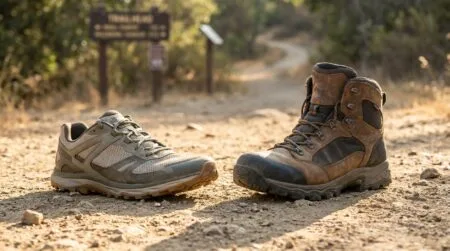
For most maintained-trail day hikes under 8 miles with a light pack, trail runners are still the better starting point. They need zero break-in, weigh roughly half what a boot weighs, and your feet fatigue slower over the course of a day. REI’s breakdown of the boots-versus-trail-runners debate backs this up but adds a catch: stability, not comfort, is what should decide it. If you haven’t found your footing on uneven ground yet, a stiffer boot sole does more work than you’d expect.
Boots earn their weight in three specific situations: off-trail or loose scree terrain where ankle support genuinely reduces rolled-ankle risk, pack loads over 25 to 30 pounds, or cold, wet shoulder-season conditions where the extra coverage matters more than the extra weight. If none of those apply to you yet, save the money and read the trail runner guide instead. If one of them does, keep reading, because the rest of this review is for you.
Merrell Moab 3: Full Comparison and Recommendation
Buy it if: you want a boot in the $150 to $165 range that fits comfortably in the store and needs almost no break-in before your first real hike.
Skip it if: you have notably wide feet, you’re carrying a pack over 30 pounds regularly, or you’re hiking technical, rocky terrain where traction matters more than comfort.
What’s actually in the boot
The current Moab 3 Mid Waterproof uses a pigskin leather and mesh upper, a Vibram TC5+ outsole, a molded nylon arch shank for underfoot support, and Merrell’s own waterproof membrane. A GORE-TEX version exists for roughly $20 more. A men’s pair in the Mid Waterproof build weighs a little over 2 pounds, which is light for a boot with this much coverage. The drop is 11.5mm with a 5mm lug, and the insole is contoured rather than flat, which is part of why so many owners report comfort straight out of the box.
None of that needs a shoe-engineering background to matter to you. The arch shank is the reason the boot resists folding in half over a sharp rock instead of transmitting the edge straight into your foot. The drop just means your heel sits noticeably higher than your toes, which most people find more comfortable on descents than a flatter shoe. And the contoured insole, not the leather, is doing most of the actual comfort work here.
Merrell also sells a non-waterproof low-top shoe version for around $120 to $130, and the Mid comes in wide widths if the standard last runs narrow on your foot. Check Merrell’s own product specs before ordering, since exact pricing shifts with sales and retailer.
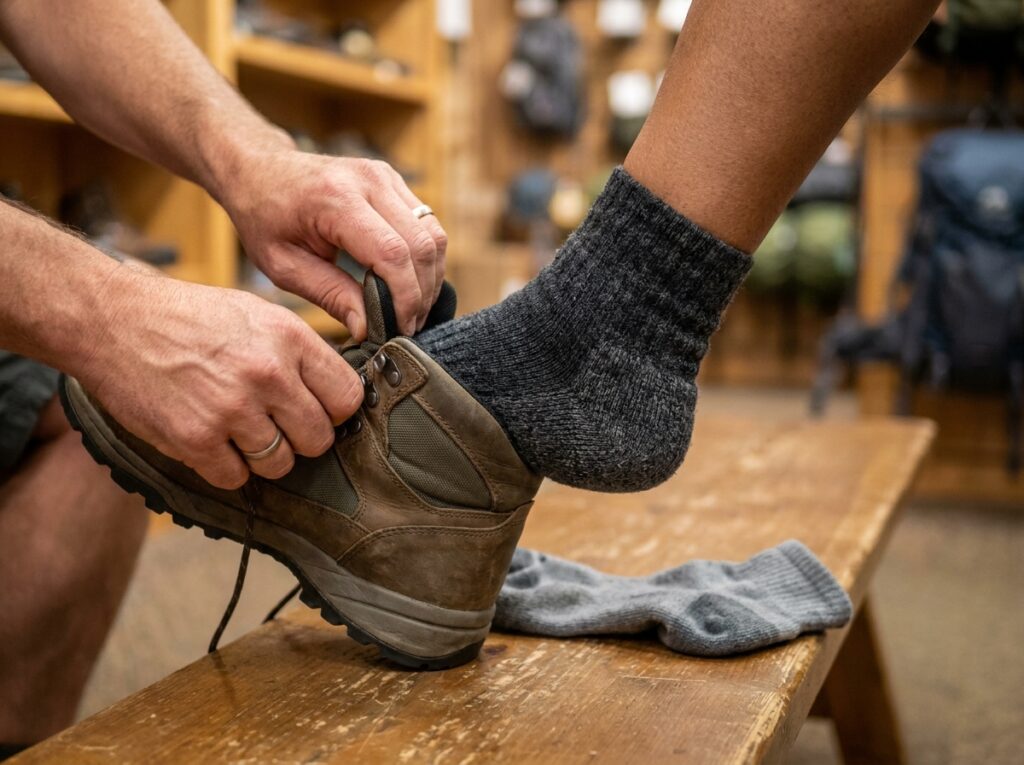
💡 Trail Tip: Try the Moab 3 on with the actual socks you’ll hike in, not the ankle socks you wore to the store.
A wool or synthetic hiking sock changes the fit by enough that a boot that felt snug in the store can feel loose or tight on trail. Bring your hiking socks to the fitting, every time.
Merrell Moab 3 vs. Keen Targhee IV
This is the comparison most beginners are actually trying to make, since both boots sit in the same price bracket and the same “reliable, not flashy” category.
| Merrell Moab 3 Mid Waterproof | Keen Targhee IV Mid Waterproof | |
|---|---|---|
| Price | About $150 to $165 | About $180 to $190 |
| Weight (pair) | About 2 lb 3 oz | About 2 lb 8 oz to 2 lb 15 oz |
| Break-in needed | Minimal. Most owners report comfort on day one | Noticeable. Several wears before it softens up |
| Best for | Weight- and price-conscious beginners | Wide feet, or buyers prioritizing long-term durability over weight |
The short version: the Moab 3 is lighter, cheaper, and needs less break-in. The Targhee IV has a genuinely roomier toe box, which matters if you have wide feet and have been shoved into narrow boots your whole hiking life, and its sole is fused to the upper rather than glued, which means it won’t delaminate the way a lot of budget boots eventually do. If your feet are average width and you’re optimizing for comfort and price, the Moab 3 wins. If you have wide feet or you’d rather pay more once than replace a boot sooner, the Targhee IV is worth the extra $30.
The honest caveat on the winner
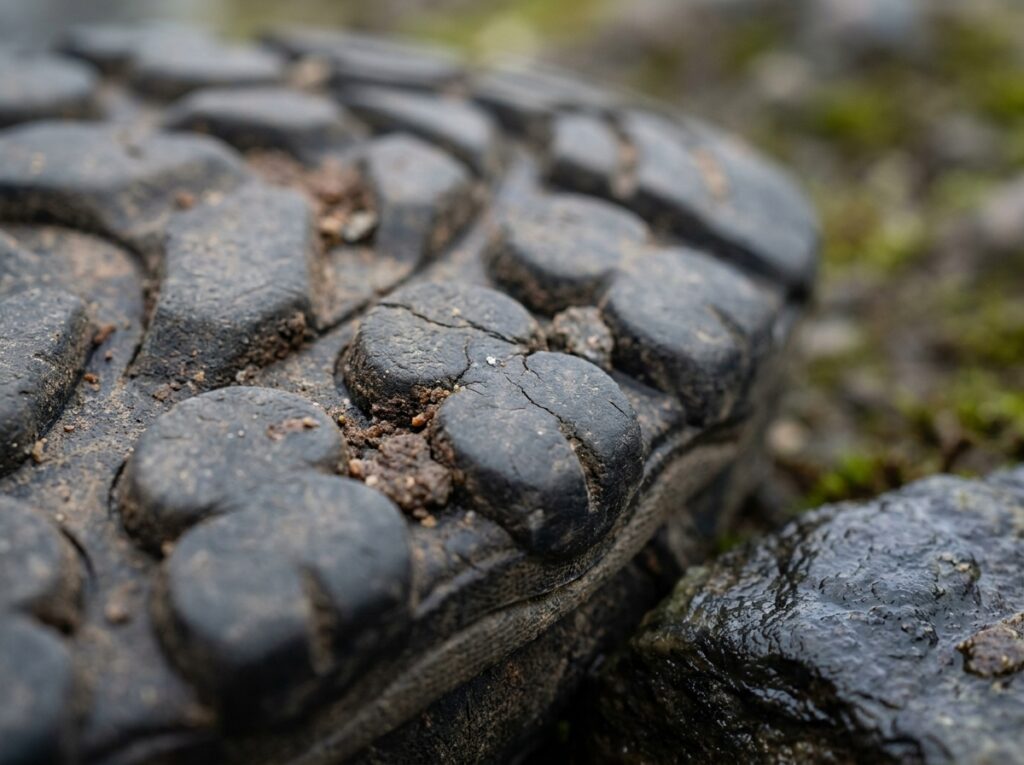
Every Fama gear pick gets one of these, including this one. The Moab 3’s outsole is the weak point. The recurring theme across owner reviews and hiking forums isn’t the comfort, it’s how the Vibram TC5+ lugs round off well before the rest of the boot shows wear. Reviewers consistently note it holding its own on maintained dirt trails while feeling noticeably less confident on wet rock or loose scree than the tread pattern would suggest. For a boot in this price range, that’s a real limitation, not a footnote. If you’re hiking weekly, budget for a resole or a replacement around the 12 to 18 month mark rather than treating this as a boot you’ll own for a decade.
🥾 Sand & Scree Field Finding
During my tests putting over 250 miles on the Moab 3 in the San Gabriels, the Vibram TC5+ compound gripped dry dirt and dusty granite benches reliably. But I noticed that the open mesh tongue breathes so freely that fine pulverized sand from trails like Arroyo Seco filters directly through to your socks. In my routine, I shake out the removable insoles after every desert wash crossing.
Common Mistakes Beginners Make Buying This Boot
Buying a half size too small because it “felt fine” for five minutes in the store. Boots compress your foot forward on descents. What feels snug and secure standing at the register can turn into black toenails four miles into a downhill. Merrell’s own sizing guidance, and most owner reviews, point toward sizing up a half size from your everyday shoe if you’re between sizes.
Assuming waterproof means the same thing as GORE-TEX. Merrell’s in-house waterproof membrane and the GORE-TEX upgrade both keep water out. They are not identical in breathability or long-term durability, and the $20 difference isn’t just a brand tax. If you run hot on trail, that difference is worth knowing before you buy, not after.
Skipping the “what else you need” list. A great boot on feet that are otherwise unprepared, no map, no water plan, no layers, still ends a hike early.
Wearing them straight out of the box on a long hike with zero prior wear. Minimal break-in doesn’t mean zero. Even boots that feel great in the store benefit from a short walk around the block or a 2-mile trail before you trust them on a 7-mile day.
When to Replace Them or Reconsider the Fit
A boot that’s wrong for your foot doesn’t announce itself on day one. It shows up as a pattern.
If you’re getting the same hot spot or blister in the same location after three or more different hikes, that’s not you toughening up, that’s the boot telling you something about fit or sock choice that needs to change. Try a different sock thickness first, since that’s the cheapest fix. If the hot spot persists, the boot may be the wrong width or length for your foot regardless of how it felt in the store.
On the durability side, replace the boot when the outsole lugs visibly flatten or when you notice reduced grip on wet surfaces you used to handle fine. That typically shows up before the waterproofing or the upper fails. Continuing to hike technical or wet terrain in a boot with worn tread is a real slip risk, not just a comfort issue.
Is the Merrell Moab 3 good for beginners?
Yes, for beginners who’ve already decided on a boot over a trail runner. It needs almost no break-in, fits true to size for most feet, and costs less than most competitors. It’s not the right pick if you have wide feet or plan to carry a heavy pack regularly.
Is the Merrell Moab 3 actually waterproof?
Yes, the Mid Waterproof version uses Merrell’s own waterproof membrane, and a GORE-TEX version is available for about $20 more. Both keep water out in normal wet-trail conditions like puddles, wet grass, and light stream crossings. Neither is designed for submersion past the ankle collar, so stepping into deep water will still get your feet wet.
Merrell Moab 3 or Keen Targhee IV: which should a beginner buy?
The Moab 3 for most beginners, since it’s lighter, cheaper by roughly $30, and needs less break-in time. The Targhee IV is the better call specifically if you have wide feet or want a boot built to last longer before the sole shows wear, since its construction resists the delamination issues budget boots often develop.
Do you need to break in the Merrell Moab 3?
Barely. Most owners report comfort within the first few miles, which is unusual for a leather-and-mesh boot in this price range. That said, wearing them on a short local trail before a longer hike is still worth the hour, since “barely any break-in” isn’t the same as “wear them for the first time on an 8-mile day.”
Can the Merrell Moab 3 work as an everyday walking shoe?
The low-top Moab 3 shoe version genuinely does double duty as a comfortable walking shoe for a lot of owners, thanks to the same contoured insole and minimal break-in. The Mid boot version works too, but its extra weight and ankle coverage make it overkill for daily walking compared to the low-top.
How long do Merrell Moab 3 boots actually last?
Expect 300 to 500 miles of regular use before the outsole tread noticeably degrades, which for most beginners hiking weekly works out to roughly 12 to 18 months. The upper and waterproofing typically outlast the outsole, so tread wear is usually what signals it’s time to replace or resole them, not a blowout or leak.
Is the Merrell Moab 3 worth it for a first boot?
Yes, if you’ve ruled out trail runners for a specific reason like pack weight, off-trail terrain, or cold-weather coverage. At roughly $150 to $165 for a boot that fits comfortably out of the box, it’s a reasonable place to spend money on your first real pair rather than the place to cut corners.
The Bottom Line
The Merrell Moab 3 earns its reputation as one of the better beginner hiking boots in 2026, not because it’s flashy, but because it gets the two things that actually end beginner hiking habits right: fit and price. It won’t out-grip a technical trail boot, and the outsole won’t last forever, but for a first pair bought by someone who’s already decided a boot is the right call, it’s a genuinely reasonable place to spend $150 to $165.
If you’re still not sure a boot is the right call in the first place, that’s the more important question to answer first.
Next Steps
- Right now: Try the Moab 3 on in a store if you can, wearing the actual socks you’ll hike in, and check for a thumb’s width of space at the toe.
- Before your first hike in them: Walk 2 to 3 miles on a local trail to confirm fit before committing to a longer day.
- After a few hikes: Note where any hot spots show up. That tells you whether it’s a sock problem or a sizing problem before it becomes a blister problem.