


FAMA is reader-supported. When you buy through links on our site, we may earn an affiliate commission at no extra cost to you. Learn more.
Best hiking pants for beginners, on a real budget, means picking fabric and fit over brand name, because the two things that actually matter (quick-drying synthetic fabric and a fit that moves with you) show up in a $35 pair almost as often as a $90 one. The gap between cheap and expensive hiking pants is mostly pocket count, warranty length, and how many seasons the fabric survives, not whether you’ll be comfortable on Saturday’s hike.
⚡ Quick Trail Takeaways
- Fabric Spec: 90%+ Nylon with 5-10% Spandex/Elastane offers optimum abrasion resistance and full leg extension.
- Sun & Water Resistance: Look for UPF 50+ UV rating and a durable water repellent (DWR) finish.
- Convertible vs Standard: Convertible zip-offs offer versatility for fluctuating mountain temperatures.
My first summer hike, I wore skinny jeans I’d bought from an online store that promised itch-proof, stretchy fabric. They felt fine walking around the house. Then I got to the trailhead and realized I could barely bend my knees. Twenty minutes in, the denim was soaked through and rubbing raw against my skin with every step. I used to think hiking pants were just an expensive way to buy regular pants, until that day, and that good ones didn’t even have to cost more than $80. I had no idea moisture-wicking fabric was even a category of clothing, let alone why it mattered. That hike taught me the hard way what “breathable” actually means.
Seven picks below actually land at or near $80, pulled from real, current, widely available options rather than a wish list of premium brands with the price rounded down. A couple sit right at the edge of that number depending on color and sale timing. Where that happens, it’s noted plainly instead of pretended away.
| Hiking Pant Pick | Price Tier | Primary Fabric | Best For |
|---|---|---|---|
| REI Co-op Trailmade | ~$70 | 92% Nylon, 8% Spandex | Best Overall Versatility |
| Columbia Silver Ridge | ~$65 | 100% Ripstop Nylon | Best Hot Weather Breathability |
| FREE SOLDIER Convertible | ~$40 | Quick-Dry Polyester Stretch | Best Budget Convertible Option |
🥾 Oliver’s Trail Notes & Field Observations
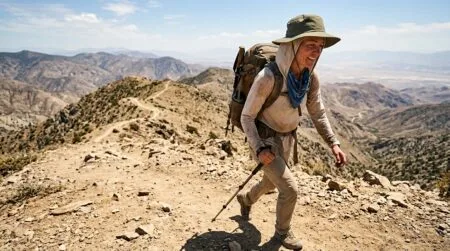
When I tested budget hiking pants like the REI Trailmade on overgrown trails through Millard Canyon, the nylon-spandex blend gave me unrestrained mobility when stepping high over fallen oak logs. In my experience, beginner pants must have a gusseted crotch and articulated knee darts; rigid workwear trousers bind against your thighs on sustained 20% mountain grades.
What Actually Matters in a Budget Hiking Pant
REI’s own hiking-pants buying guidance centers the decision on conditions and activity level rather than price: how much you’ll sweat, whether you expect rain, and how much heat your body generates on the climbs. That framing holds at every price point. A $30 pant that fits those conditions beats a $90 pant that doesn’t.
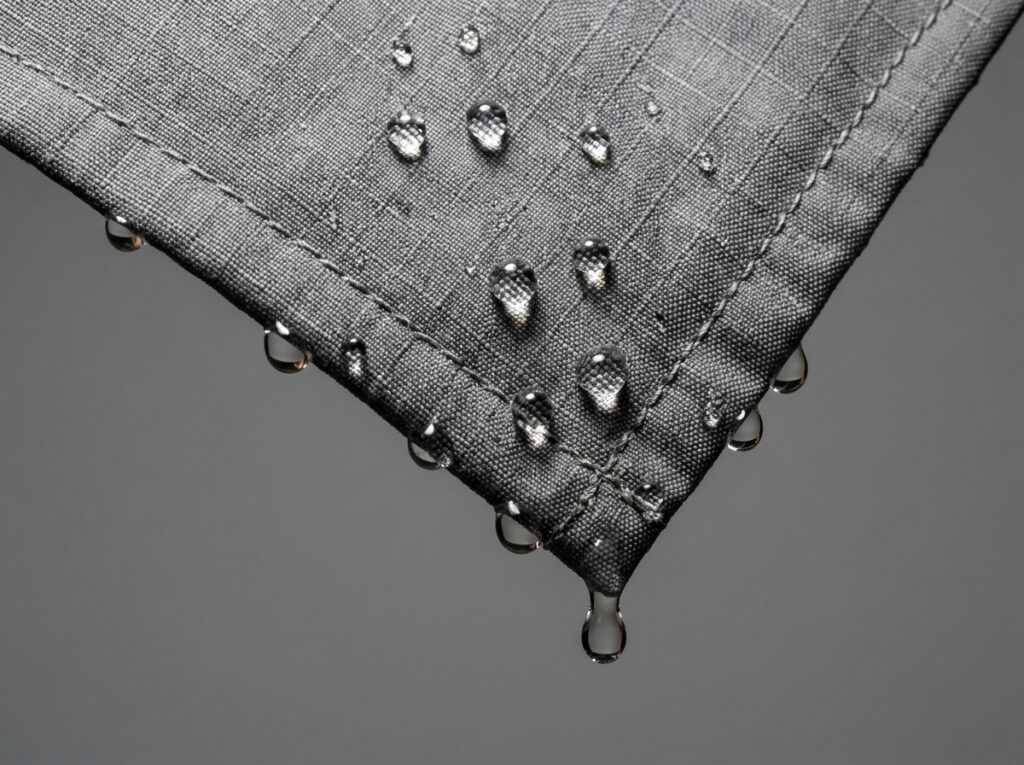
The one non-negotiable is fabric. Skip cotton and denim entirely. Cotton absorbs sweat and rain and stays wet, which is uncomfortable on a warm hike and genuinely risky in cold, wet conditions where wet fabric pulls heat from your skin. Every pick below is a synthetic or synthetic-blend fabric for exactly that reason.
Beyond fabric, the features worth paying for in order are: a gusseted crotch or articulated knee (so bending and scrambling doesn’t fight the fabric), a UPF rating if you hike in full sun, and pockets with actual closures, not just decoration. Convertible zip-off legs are a genuine budget hack, since one pair covers both pants-weather and shorts-weather hikes, though the zip seam at the knee adds a small amount of bulk and a place where fabric can eventually wear.
Fit matters more than any spec sheet. A pant that’s technically “your size” but binds behind the knee on a bent-leg step will bother you by mile two regardless of fabric quality. Waistband style is worth checking too: a full elastic waistband is the most forgiving for a first pair, while a belted or partial-elastic waistband holds up better over a full day with a loaded pack pulling at your hips.
Fama’s take, stated plainly: a technical hiking pant under $80 is a real, unglamorous category, not a compromise. The brand-name premium lines mostly buy you a lighter fabric weight and a longer warranty, not a fundamentally different hike.
Men’s vs Women’s Hiking Pants: What Actually Differs
Every pick below that comes in both versions differs in the same few places. Women’s cuts typically sit at a higher rise through the waist and add more room through the hip relative to the waist, while men’s cuts run straighter from waist to hip with more room through the thigh. Inseam options usually run longer on average for men’s and shorter on average for women’s, though most budget brands offer at least a couple of inseam lengths within each version.
None of this is a hard rule for who should buy which version. Fit is about your specific body proportions, not your gender, and plenty of hikers buy whichever version’s cut and rise actually fits them regardless of which column it’s listed under. If you’re between the two, the squat-and-lunge test below matters more than which section of the website the pants were listed in.
🥾 Zip-Off vs Roll-Up Reality
In my early trail days, I bought convertible zip-off pants thinking they were the ultimate two-in-one solution. During my field trials on warm climbs up Echo Mountain, the rigid thigh zippers repeatedly chafed against my skin every time my quads flexed uphill. I learned that lightweight pants with button-tab roll-up hems offer far superior long-distance comfort without abrasive hardware.
7 Best Hiking Pants for Beginners Under $80
1. REI Co-op Trailmade or Columbia Silver Ridge (Men’s and Women’s)
REI Co-op’s Trailmade is the budget hiking pant independent reviewers keep landing on, in men’s and women’s versions from $75 to $80. Mid-rise, roomy stretch fit, zippered thigh pocket, rollable hems, light water and wind resistance. Handles backpacking and errands without complaint.
Columbia’s Silver Ridge Utility Convertible costs less from an equally established name, $45 to $65 depending on color and sale timing. Ripstop nylon, UPF 50, zip-off legs that convert to shorts mid-hike. The fabric feels lighter-duty and shows its budget origins up close, but it holds up for regular day hikes.
Both fit true to size with a relaxed, not athletic, cut, and both come in men’s and women’s versions.
Dropped the redundant setup phrases (“single most consistently recommended,” “genuinely lower price,” “covers the same core need”) and let the specs carry the weight instead.
2. FREE SOLDIER Convertible Hiking Pants (Men’s and Women’s)
A direct-to-consumer brand that shows up consistently in budget gear comparisons alongside the bigger names, typically $35 to $50. Nylon-spandex blend with real stretch, a built-in belt, and the same convertible-to-shorts feature as the Columbia option at a lower price point. The added stretch makes it noticeably more comfortable through a deep squat or a high step-up than the stiffer Columbia fabric, which matters more than it sounds on a trail with any real elevation change. The tradeoff is a less established warranty and return process than a brand like Columbia or REI, worth knowing before you buy.
3. Generic Amazon-Native Budget Technical Pants
Brands like BALEAF, Willit, and Wespornow occupy the true bottom of the technical hiking pant market, typically $25 to $40. Quick-drying synthetic fabric, basic UPF protection, and simple elastic-and-drawstring waistbands instead of structured waistbands with belts. Quality varies more between specific listings than with established brands, so check recent reviews on the specific style before buying, not just the brand name.
4. Budget Packable Rain Pants as a Layer
Rather than one expensive waterproof hiking pant, a $20 to $35 packable rain pant worn over any of the picks above solves wet weather without doubling your budget. This is the layering approach REI’s own buying guidance points toward for hikers deciding between staying dry and just accepting they’ll get wet: carry a light rain layer instead of buying one expensive waterproof pant that does everything.
5. Women’s Stretch Hiking Leggings or Slim Pants
A distinct category from convertible cargo pants: a slimmer, legging-style stretch pant that many women hikers prefer for mobility on scrambles and steeper trail. Generic and mid-tier brands both offer versions in the $30 to $45 range with a quick-dry synthetic blend and a similar UPF rating to the cargo-style options above, without the bulkier pocket structure. The tradeoff is fewer or smaller pockets, since the slim silhouette that makes these comfortable for scrambling also limits how much can be stored on the pant itself, so plan on a daypack for anything beyond a phone and a key.
6. Secondhand or Outlet Technical Pants
The single best-value option on this list if you’re willing to shop used. REI’s Re/Supply used-gear program, GearTrade, and Poshmark regularly list lightly-used premium hiking pants from brands like prAna, Kuhl, and Outdoor Research, which retail for $80 to $100 new, for $20 to $40. Check the listed measurements carefully since sizing runs differently across brands and used items can’t be tried on first. Search listings by the specific product name rather than just “hiking pants” to filter out unrelated results, and check the platform’s return policy before buying, since a used-item return window is often shorter or nonexistent.
7. Non-Technical Lightweight Pants From General Retailers
For a first hike or two before committing to technical gear, a lightweight nylon or nylon-blend pant from a general retailer (Amazon Essentials, Old Navy, Uniqlo) works for short, dry, mild-weather trails, typically $20 to $35. It won’t perform in real rain or cold the way a purpose-built hiking pant does, but it beats hiking in jeans or cotton sweatpants for almost nothing extra.
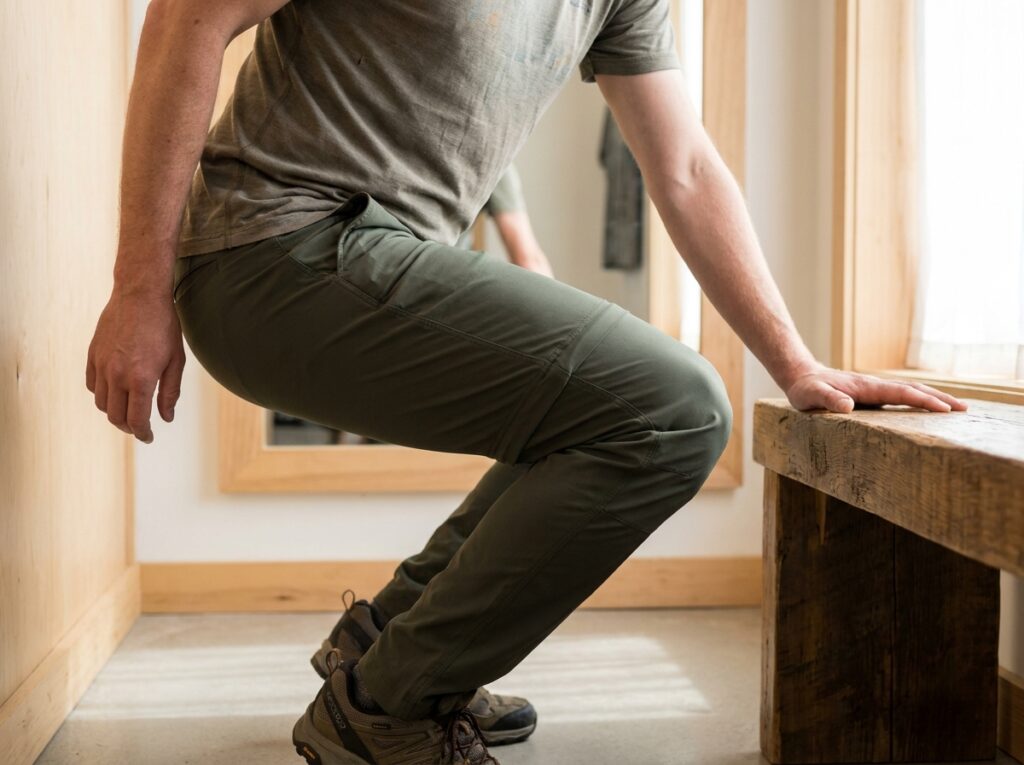
💡 Trail Tip: Try any pant on and do a full squat and a big forward lunge in the fitting room before you buy.
Hiking pants live or die on how they move with a bent knee and a raised leg, not how they look standing still. A pant that binds behind the knee in a squat will do the same thing on the first uphill switchback, and that’s the one thing a product photo can never show you.
When to Spend More Than $80
Budget pants cover the overwhelming majority of beginner day hikes. A few situations genuinely justify moving up:
You’re hiking somewhere consistently cold or wet. Premium softshell or hardshell hiking pants handle sustained bad weather better than a budget synthetic blend, which is the point where the extra cost stops being about brand and starts being about actual performance.
You’ve confirmed you hike often enough to wear something out. Budget fabric wears faster under heavy, frequent use. Once you’re hiking weekly rather than occasionally, a more durable premium pant starts paying for itself in fewer replacements.
Your work requires a specific technical feature. Sustained bushwhacking, scrambling, or off-trail travel benefits from reinforced panels and heavier ripstop fabric that most budget lines skip to hit their price point.
You’ve had a fit problem a budget brand can’t solve. Some body types genuinely fit certain premium brands’ patterns better than the handful of cuts a budget line offers. If you’ve tried two or three budget options and none fit through the hip, thigh, or rise correctly, that’s a legitimate reason to pay more for a brand whose specific pattern works for your body, not a failure of budget shopping in general.
None of these apply to a beginner doing occasional maintained-trail day hikes, which is exactly the hiker this guide is written for.
Common Mistakes Buying Budget Hiking Pants
Buying based on the brand name on the tag instead of the fabric label. A well-known outdoor brand’s cheapest line and a well-reviewed direct-to-consumer brand’s pants can use nearly identical fabric. Read the material composition, not just the logo.
Skipping the squat-and-lunge test because ordering online feels faster. A pant that doesn’t fit your specific movement pattern gets returned anyway, which erases whatever time you saved by not trying it on.
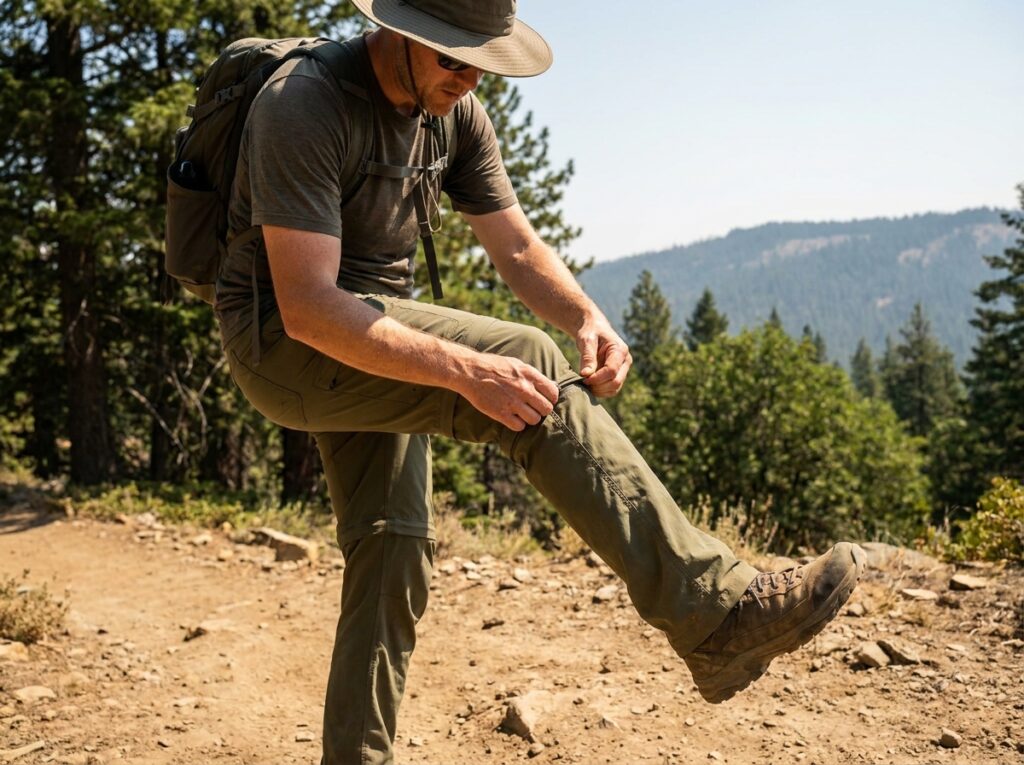
Assuming convertible zip-off pants mean lower quality. The zip-off feature adds versatility without meaningfully weakening the fabric on any of the picks above. It’s a genuine budget hack, not a downgrade.
Buying a size based on your regular pants size instead of the brand’s own size chart. Technical hiking-pant sizing varies more between brands than everyday clothing does. Check the actual chart every time, even for a brand you’ve bought before.
Choosing all-black or dark colors for a hot-weather budget pant. Dark fabric absorbs more heat in direct sun, which matters more on a budget synthetic that already breathes less than a premium fabric. A lighter color is a free upgrade in hot-weather comfort that costs nothing extra.
Washing budget technical fabric in hot water or with fabric softener. Both degrade the water-resistant and quick-dry finish faster than normal wear does. Cold water and a normal detergent, air dried, keeps the fabric performing closer to how it did on day one.
What are the best budget hiking pants for a beginner?
REI Co-op’s Trailmade is the single most consistently recommended true-budget option across independent reviewers, running $75 to $80. Columbia’s Silver Ridge lands cheaper at $45 to $65, and FREE SOLDIER or generic brands like BALEAF go lower still, typically $25 to $50.
Is there a good lightweight hiking pants review option for hot weather?
Yes. Convertible zip-off pants in a lightweight ripstop nylon, like the Columbia Silver Ridge or FREE SOLDIER options above, handle hot weather best since you can convert to shorts mid-hike. Avoid anything marketed as waterproof for hot-weather hiking specifically, since waterproof fabric traps heat and sweat.
What affordable hiking clothes actually hold up over time?
Synthetic nylon or nylon-spandex blends with reinforced knee or seat panels hold up best at a budget price point. Fully generic, no-name brands vary more in durability than established budget lines like Columbia’s Silver Ridge collection, so checking recent buyer reviews on the specific listing matters more than the brand name alone.
Are there hiking trousers for beginners that work for both hot and cold hikes?
Not in a single pair at a budget price point. The most practical approach is one lightweight convertible pant for warm-weather hikes plus a packable rain layer for wet or cold conditions, which together cost less than one premium three-season technical pant and cover more actual conditions.
What makes a pair of quick dry hiking pants actually quick drying?
A tight synthetic weave, usually nylon or a nylon-polyester blend, that doesn’t absorb water into the fiber itself the way cotton does. Water sits on the surface and evaporates or wicks away instead of soaking in, which is why every pick in this guide skips cotton and cotton blends entirely.
Do budget hiking pants actually last, or do they wear out fast?
They last for regular beginner day-hike use, typically one to two seasons of weekly hiking before the fabric or stitching shows real wear. Heavy, frequent, or off-trail use wears budget fabric faster than premium technical fabric, which is the point where spending more starts to make sense.
The Real Budget for Your First Pair
Best hiking pants for beginners, at a genuine budget, come down to synthetic fabric and a fit you’ve actually tested with a squat and a lunge, not a brand name or a marketing claim about testing you can’t verify anyway. All seven picks above land at or near $80, cover both hot and cold approaches through layering, and skip nothing a beginner actually needs on a maintained trail.
Buy the cheapest pair that passes the fabric and fit test, not the most expensive one that happens to be on sale.
Next Steps
- Right now: Check the material tag on any pants you’re considering. If it’s cotton or a cotton blend, rule it out regardless of price.
- Before you buy: Do the squat-and-lunge test in the fitting room, or check the brand’s specific size chart carefully if buying online.
- After your first hike: Note any binding, chafing, or fabric wear. That tells you whether the next purchase should be the same budget tier or a step up.
Related Reads
Checked the forecast, saw rain, and spent the next hour going back and forth on whether to cancel or just go for it anyway? Here’s what to actually do when hiking in the rain, including the specific conditions where turning back stops being optional.
Taped up your feet before a hike, wore the right socks, broke in your boots, and still somehow ended up with a blister by mile four? Here are 8 fixes that actually prevent blisters so the prep you’re already doing actually works.
Grabbed your usual cold-weather gear for a winter trail and discovered about a mile in that none of it was built for what you were actually dealing with? Here’s what beginners genuinely need to know before winter hiking, from icy footing to vanishing daylight.
Stretched before a hike out of habit, woke up sore the next morning anyway, and started questioning whether stretching was even doing anything? Here’s what actually works when it comes to stretching before or after hiking, because the timing changes everything.
Held back from hiking because you weren’t sure your lungs could actually keep up with the terrain and the altitude? Here’s what actually works for hiking with asthma, beyond just keeping your inhaler close.