
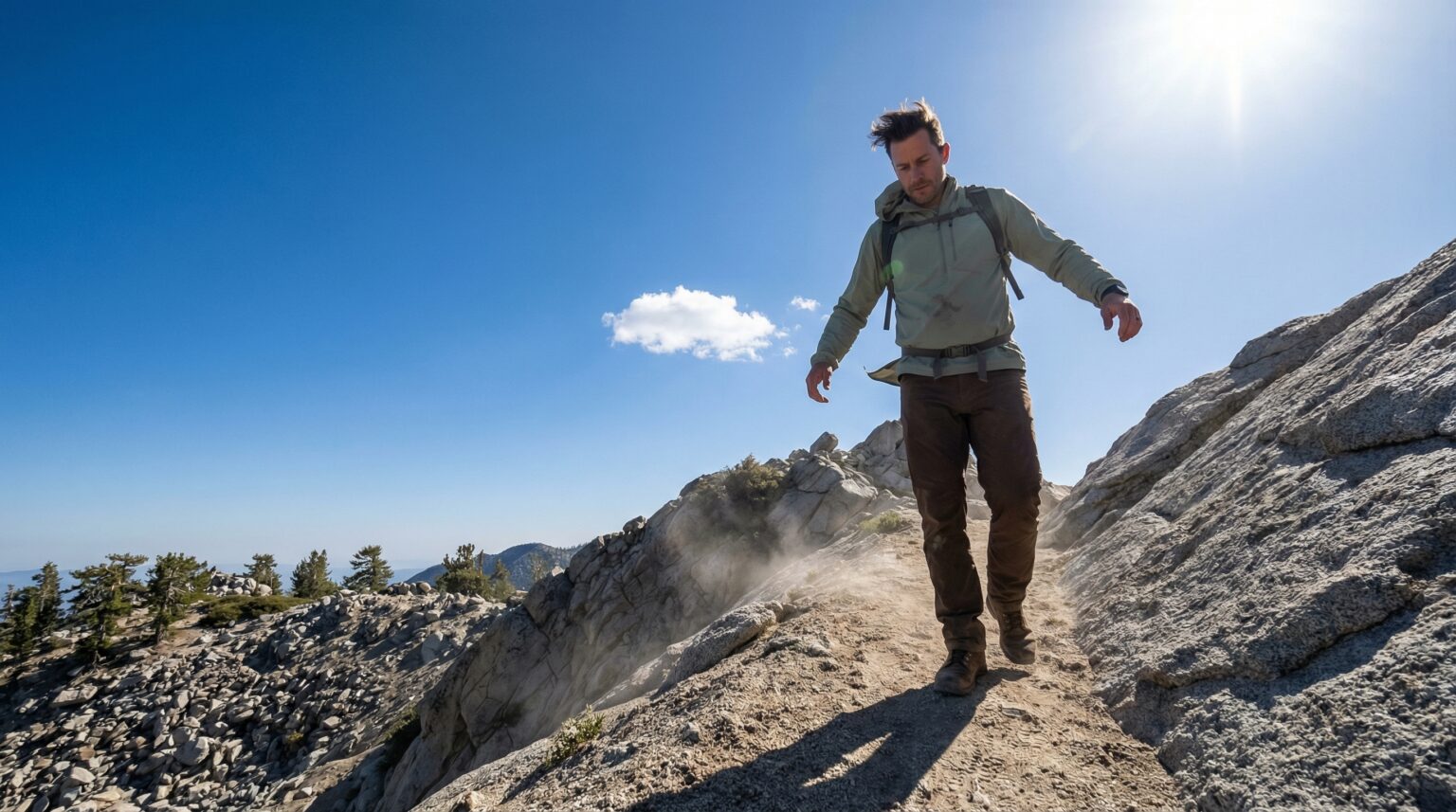
When browsing trail guides or reading reviews on AllTrails, you will frequently see the word “exposed” used to describe a ridgeline path or mountain summit. In hiking terminology, exposure refers to two distinct trail conditions: severe drop-offs where a fall would have serious consequences, or open, shelter-free terrain where you are fully vulnerable to scorching sun, high winds, and lightning storms. ⚡ Quick Trail Takeaways Trail Exposure Definition: Refers to high fall consequence (steep drops) or severe weather exposure (no tree canopy/wind shelter). Sun & Weather Defense: Carry UPF 50+ sun protection, wind-resistant outer shell, and 1 liter of extra…

Author: Oliver Fall
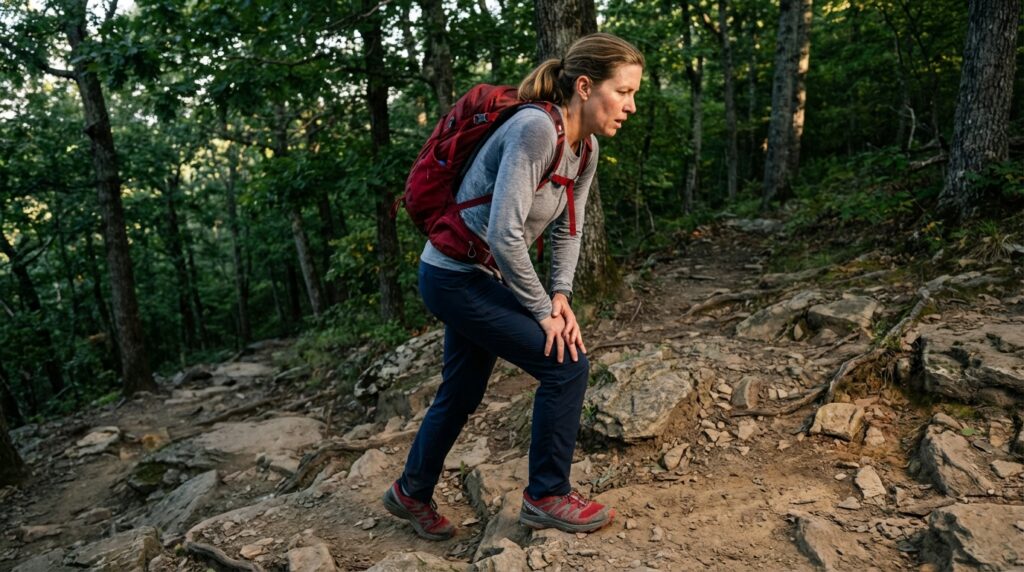
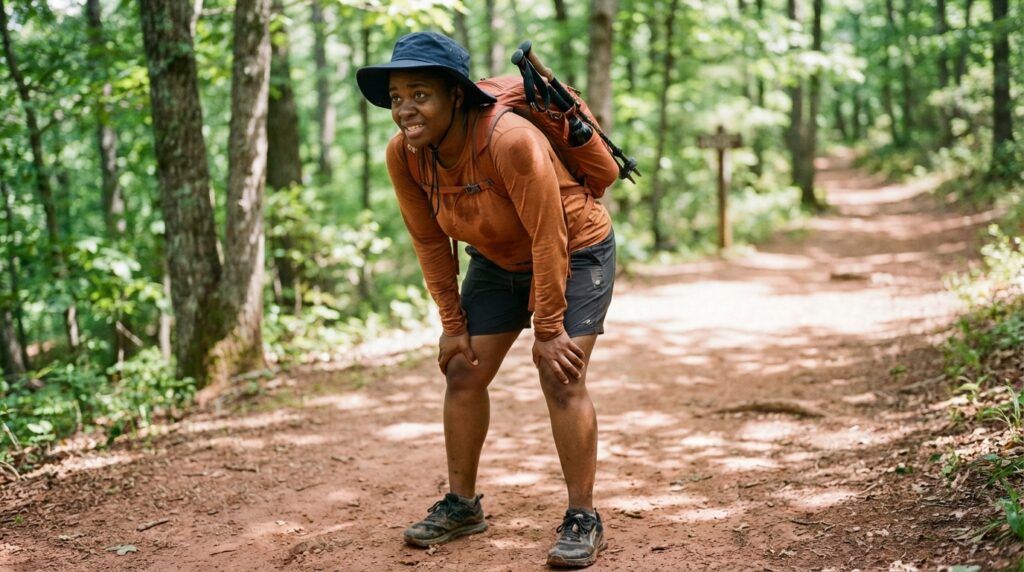
This guide focuses on understanding the physical difficulty of hiking and how to physically prepare for steep terrain. If you can easily walk several miles on a gym treadmill or around your neighborhood but find yourself gasping for breath on a short trail climb, you are not alone. Hiking feels significantly harder than road walking because natural trails demand continuous stabilizer muscle engagement, eccentric braking on downhills, and sustained cardiovascular effort under changing outdoor weather conditions. ⚡ Quick Trail Takeaways Physiological Demands: Trail hiking requires eccentric quadriceps braking and stabilizer muscle engagement absent on flat pavement. Adaptation Timeline: Cardiorespiratory and…
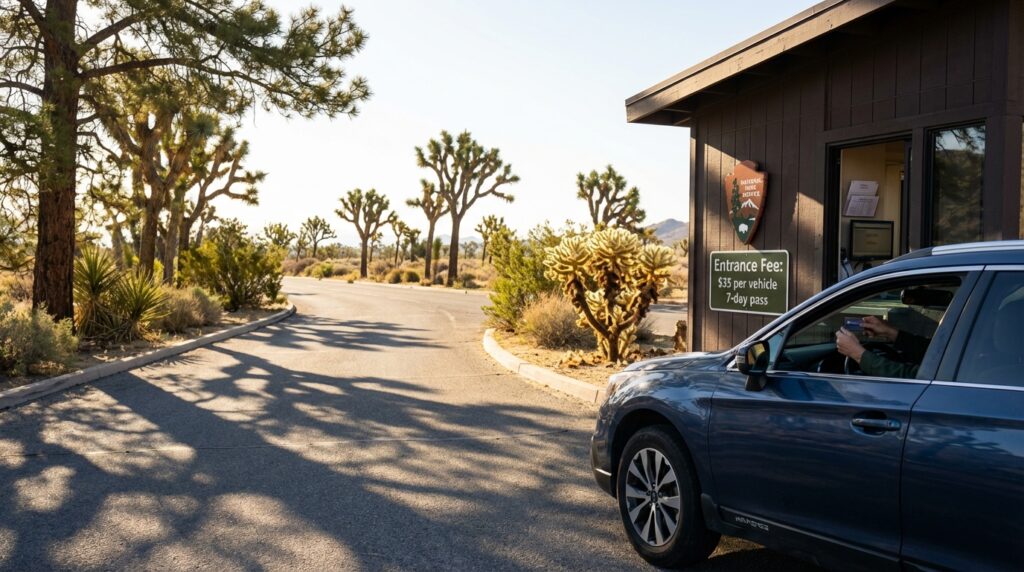
Why do hiking trails cost money when you can walk out your front door for free? It’s a fair question, and I’ve heard it at trailheads more than once. The short answer: maintaining a trail isn’t free, and the fee you pay at the entrance station is how land managers fund what keeps those trails open. ⚡ Quick Trail Takeaways Funding Trail Maintenance: Trail fees directly fund erosion mitigation, bridge rebuilding, tree clearing, and Search & Rescue (SAR) infrastructure. Pass Options: An $80 America the Beautiful Interagency Pass covers over 2,000 federal recreation sites nationwide. Free Alternatives: USFS non-developed trailheads,…
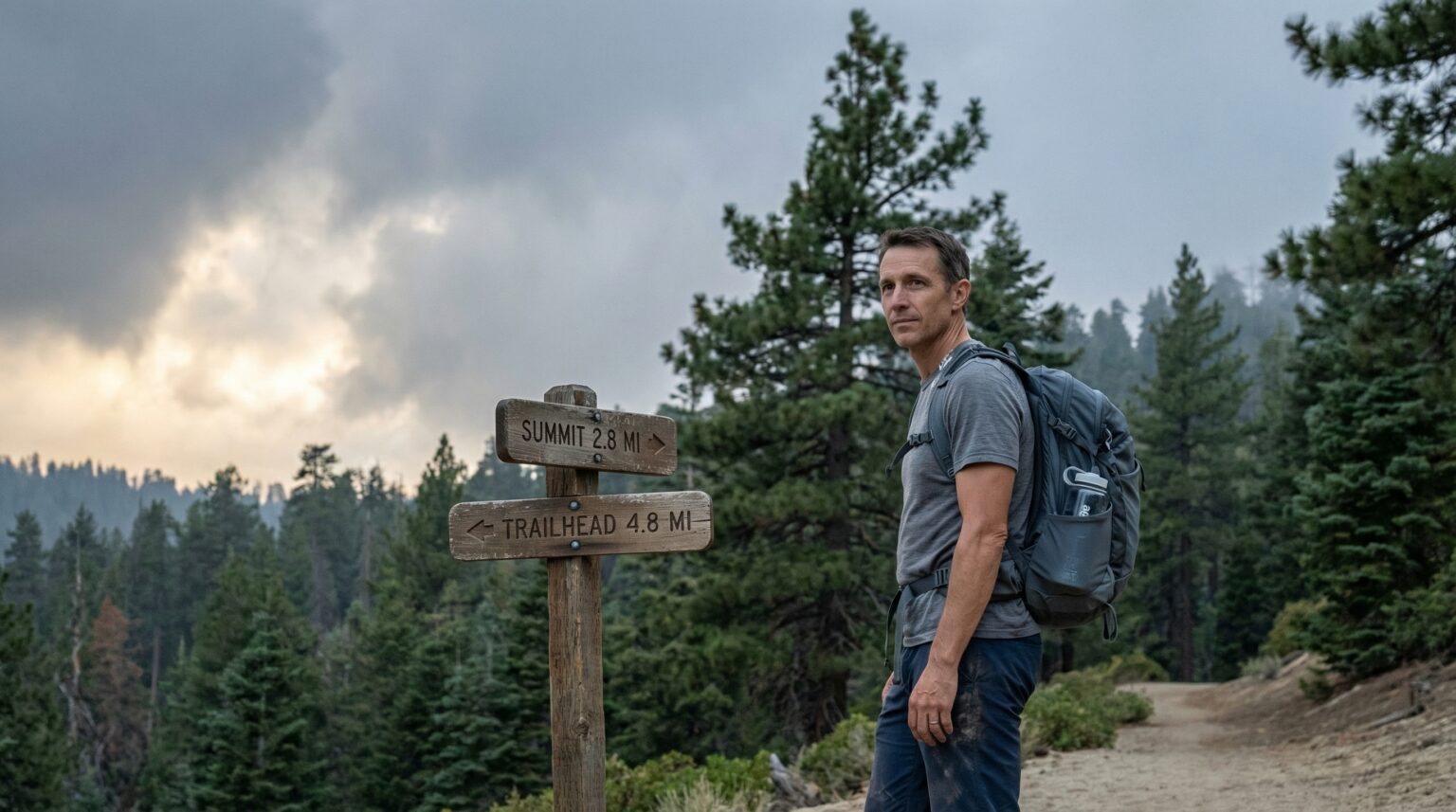
Knowing when to turn back on a hike is a more specific skill than most trail guides describe. It is not just “listen to your body” or “trust your instincts.” Beginners do not have trail instincts yet. What they need are specific, pre-decided rules that remove the in-the-moment negotiation from a decision that is always emotionally harder than it should be. ⚡ Quick Trail Takeaways Strict Turnaround Time: Set a hard ‘turnaround clock’ before leaving the trailhead, regardless of how close you are to the summit. Weather Triggers: Turn back immediately at the first sound of thunder or unexpected drop…
What is a thru-hike? Here is the honest answer in one sentence: a thru-hike is the act of completing an entire designated long-distance trail continuously, from one terminus to the other, in a single uninterrupted attempt. Not in sections spread across multiple trips. Not with a month at home in the middle. Start to finish, with the trail as your entire world for however many months that requires. ⚡ Quick Trail Takeaways Thru-Hike Reality: Thru-hiking spans continuous long-distance trails (2,000+ miles); only 20-25% of AT/PCT starters reach the finish. Daily Mileage Load: Hikers average 15 to 25 miles per day…
What are cairns on hiking trails? They’re stacked piles of rocks placed along a route to mark the path, indicate a turning point, or guide hikers through sections where no defined trail tread exists. If you’ve ever walked a rocky alpine trail, crossed open desert slickrock, or navigated above treeline where painted blazes can’t survive the weather, you’ve seen them: small stone towers sitting at key points along the route, anywhere from three flat rocks to knee-high stacks. ⚡ Quick Trail Takeaways Cairn Navigation: Official rock cairns mark indistinct alpine routes where soil or granite slabs cannot hold a worn…
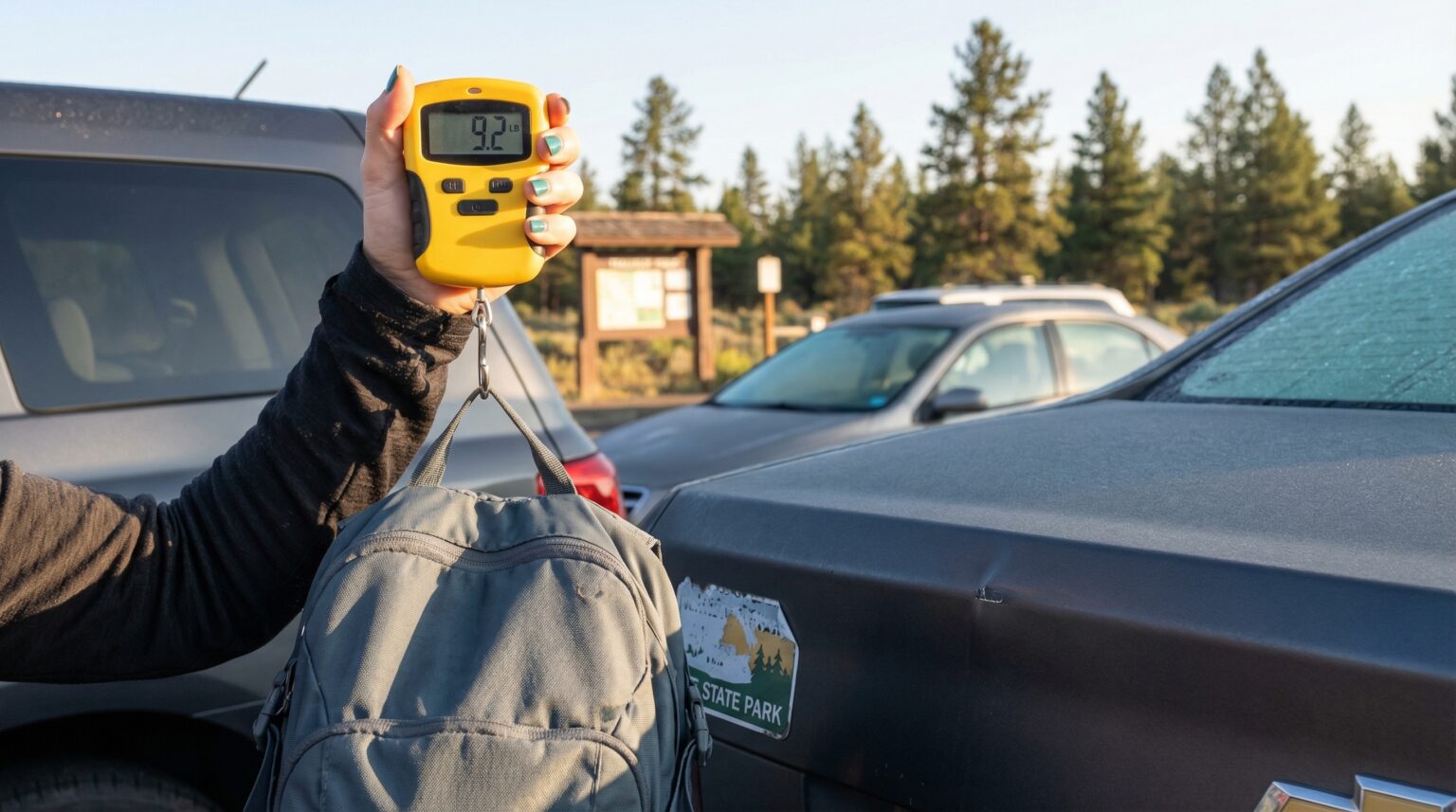
The first time I loaded a pack for a day hike, I brought everything. Two water bottles, a full first aid kit, three trail snacks, sunscreen, extra layers, a camp towel, and trekking poles I had no idea how to use. My pack weighed 21 pounds for a 4-mile maintained trail. By mile 2, my shoulders were done with the arrangement. By mile 3, my lower back had joined the complaint. I finished, rethought every item I had packed, and never made the same mistake again. ⚡ Quick Trail Takeaways Daypack Weight Rule: A fully loaded daypack should not exceed…
The best time to start a hike is earlier than most beginners plan for. Not as a preference. Because three specific things get worse as the day progresses: temperature, afternoon weather, and available light. All three are predictable. All three are manageable if your start time accounts for them. ⚡ Quick Trail Takeaways Optimal Morning Window: Starting at or before 7:00 AM avoids peak afternoon heat, thunderstorm cycles, and crowded trailhead parking. Seasonal Adjustments: In summer, hike early to beat 90°F+ midday heat; in late autumn/winter, maximize the 10:00 AM to 3:00 PM sun window. Daylight Buffer: Always calculate total…
The best beginner hikes in the US are not the ones with the most dramatic views or the longest reputation. They’re the ones where the distance is honest, the surface is manageable, the navigation is clear, and you arrive home feeling like you could go again. That combination is rarer than most hiking content suggests. ⚡ Quick Trail Takeaways Trail Selection Criteria: Beginners should target trails under 4 miles round-trip with under 500 feet of total vertical elevation gain. Trail Condition Signals: Choose maintained Class 1 trails with clear signage, packed tread, and cell-reachable trailhead access. Time Estimation: Budget 30…
The hiking vs trekking difference is one of those things that seems clear until you try to explain it to someone else. Last summer, I described an upcoming New Mexico trip to two friends as “a few days of trekking in the Jemez Mountains.” One of them showed up with a 40-liter pack loaded for four nights out. I meant three day hikes from a base hotel in Santa Fe. She meant sleeping outside and carrying everything on her back. ⚡ Quick Trail Takeaways Hiking vs Trekking: Hiking denotes single-day trips on marked trails; trekking involves multi-day expeditions in remote…
The best time of year to start hiking is fall, for most beginners in most of the United States. Not spring, which is muddy and cold in ways that beginner guides routinely understate. Not summer, which is gorgeous and also the season that produces most beginner problems. Fall gives you stable temperatures, dry trails, low crowds, and the most forgiving conditions to figure out what trail hiking actually demands of your body. ⚡ Quick Trail Takeaways Season Ranking: Autumn is #1 for beginners with mild 55-65°F temperatures, low bug pressure, and firm trail conditions. Spring Caution: Spring brings muddy snowmelt…
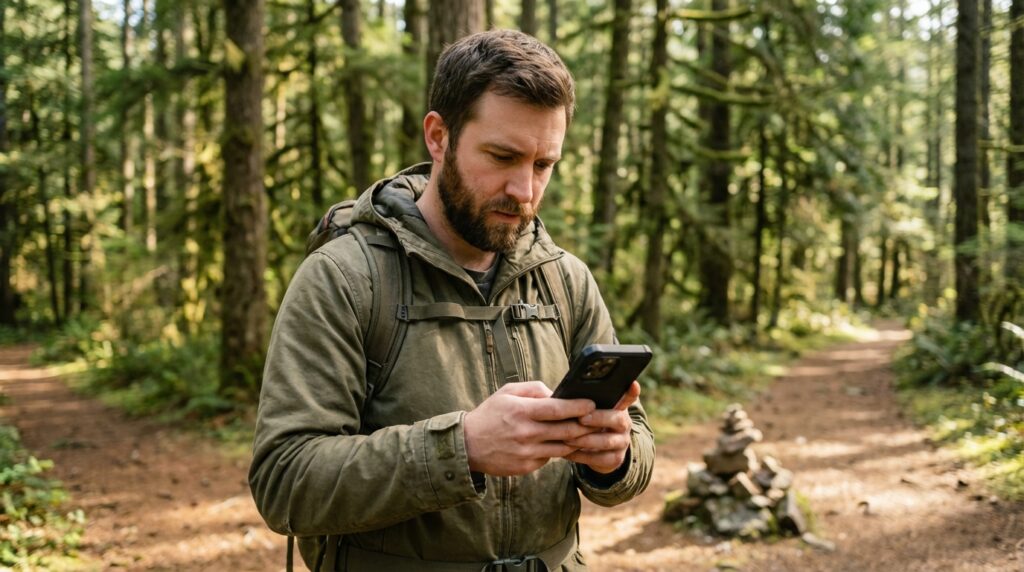
Offline trail maps for hiking are not a nice-to-have. They are the difference between a fork in the trail being an interesting choice and being a problem you cannot solve. ⚡ Quick Trail Takeaways Pre-Download Protocol: Always download offline topo map tiles in Gaia GPS or AllTrails+ while connected to home Wi-Fi. Battery Preservation: Switch phone to Airplane Mode on trail to prevent battery drain from searching for weak cell signals. Analog Redundancy: Carry a waterproof physical topo map and baseplate compass for trips deeper than 3 miles from trailheads. I learned this at mile 3 on a trail in…
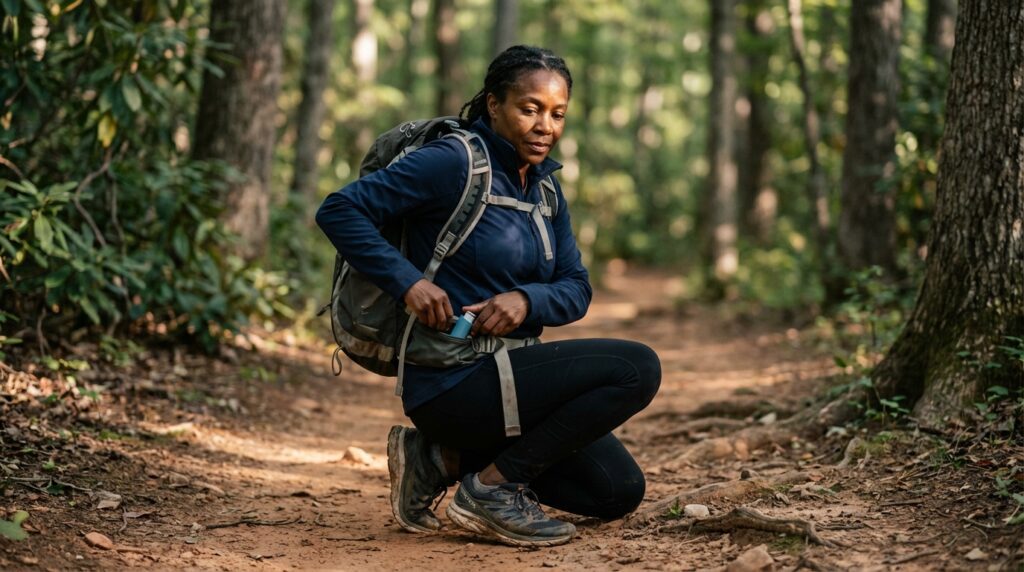
Hiking with asthma is a management problem, not a fitness problem. That distinction matters more than anything else on this page. Trail Note: When I first started hiking, I had to learn this the hard way. Here is what I discovered from my own time out on the trails. ⚡ Quick Trail Takeaways Pre-Hike Premedication: Use your rescue inhaler (albuterol) 15-20 minutes before starting trail ascents per physician guidance. Cold & Dry Air Defense: Wear a buff or neck gaiter over nose and mouth in temps below 50°F to warm and humidify inhaled air. Gradient Pacing: Monitor heart rate on…
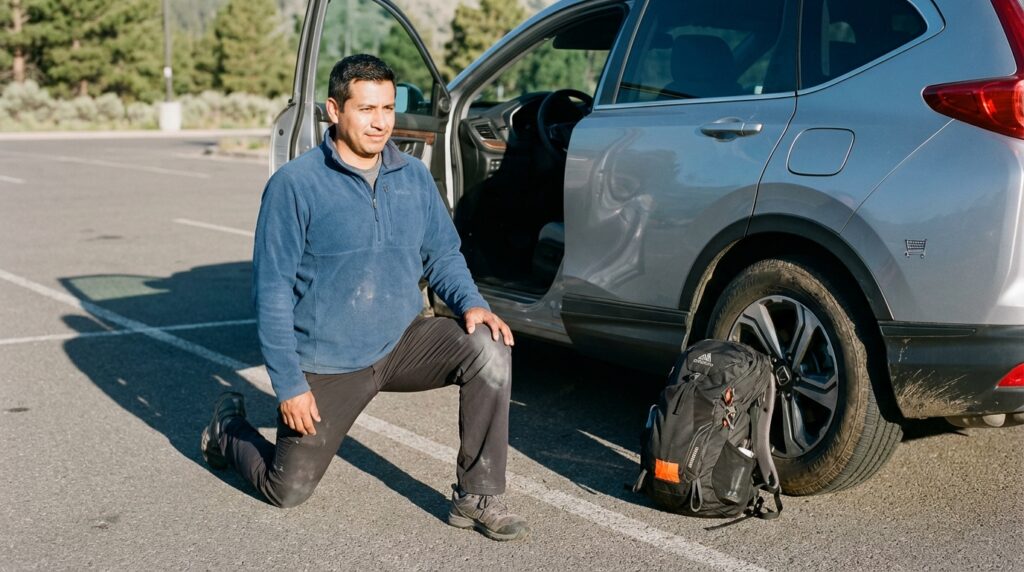
The short answer to stretching before or after hiking: do it after. That answer will frustrate anyone who spent 10 minutes holding static stretches in a parking lot this morning. But the reason matters, because once you understand why timing changes everything, the whole system clicks into place. ⚡ Quick Trail Takeaways Dynamic Warm-up First: Perform dynamic leg swings and high knees at the trailhead; never do cold static stretching. Post-Hike Static Protocol: Hold 30-second static stretches for calves, hamstrings, and hip flexors within 20 minutes of finishing. DOMS Reduction: Light 10-minute flat cooldown walks and adequate hydration reduce next-day…
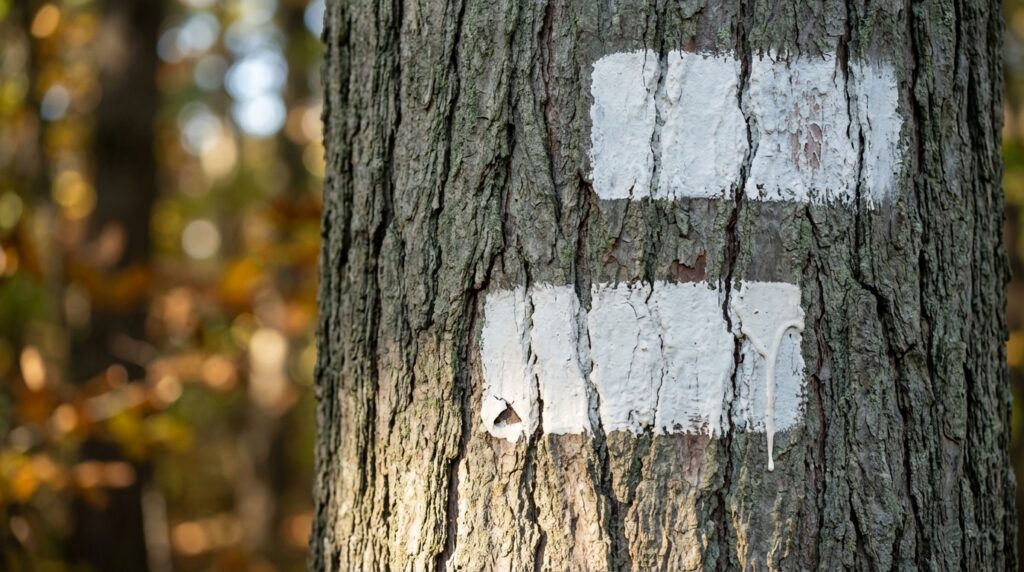
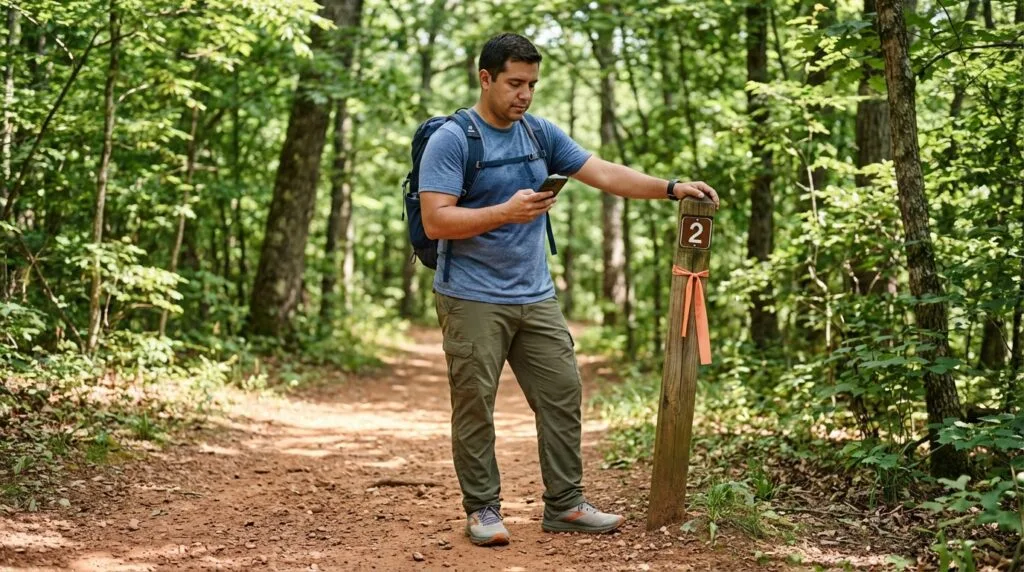
Trail blaze colors and meanings are the trail’s primary language, and most beginners pick them up by accident rather than instruction. That gap shows up at junctions where three paths diverge and only one continues on the correct route. ⚡ Quick Trail Takeaways Primary vs Side Trails: White blazes typically indicate primary trunk trails (e.g. Appalachian Trail); blue marks water or side spurs. Turn Signal Double Blazes: Two offset blazes signal an abrupt trail turn; the higher blaze indicates the direction of the turn. Confirmation Blazes: A single blaze should appear within 50 to 100 feet after any confusing junction…
If you want to know how to plan a hiking trip for beginners, the honest answer is that the planning takes longer than most people expect. Almost none of that time is about gear. ⚡ Quick Trail Takeaways Route Selection: Choose well-marked loops under 5 miles with clear elevation profiles matching current fitness. Weather Window Check: Inspect hourly mountain forecasts (e.g. NOAA/Mountain-Forecast) 12 hours and 2 hours before departure. Safety Contact Protocol: Leave a written trip plan with an emergency contact stating exact trailhead, vehicle plate, and overdue time. I learned this on what I’d call my first “real” hike…
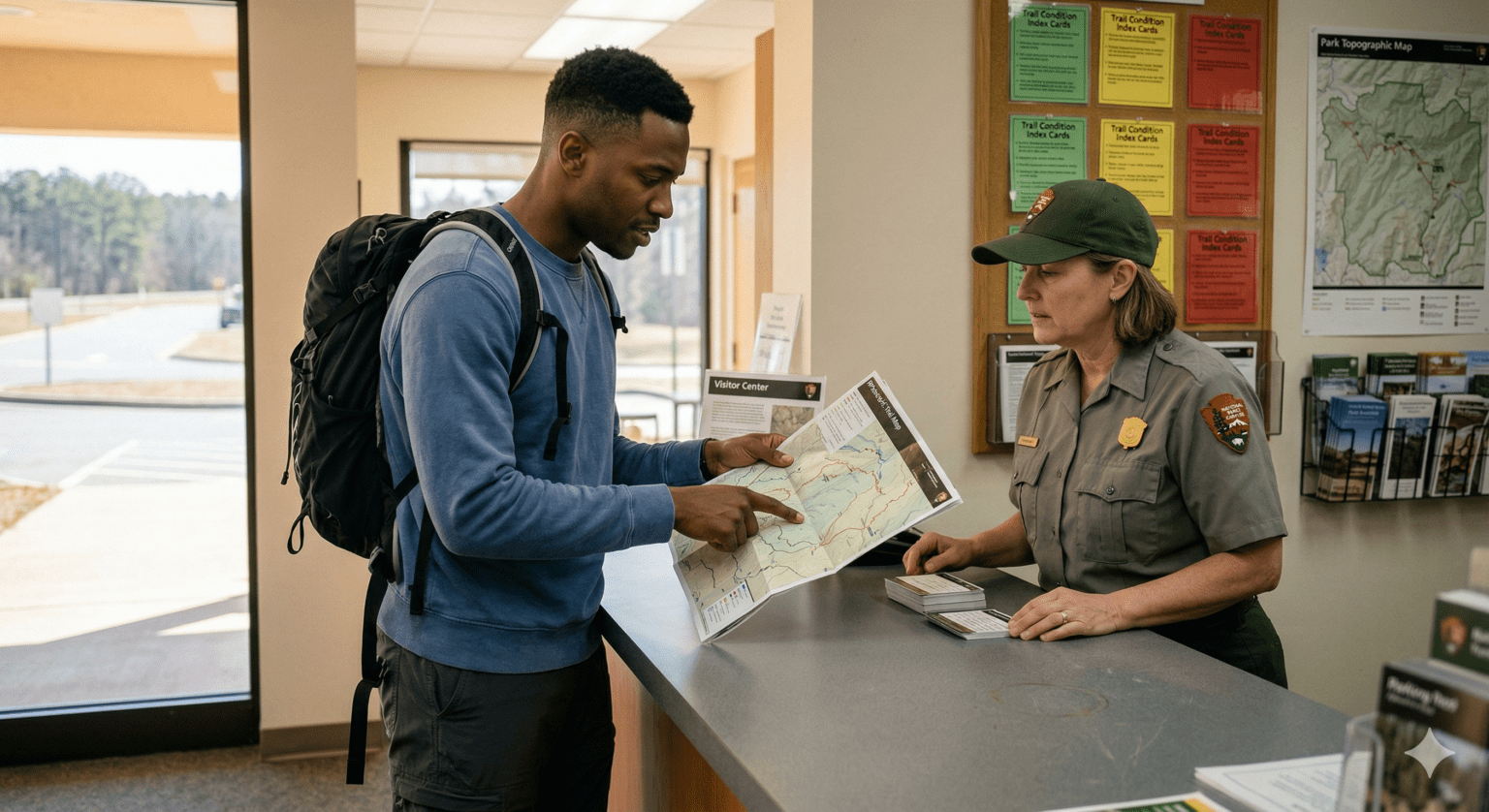
National parks for beginners can feel like an overwhelming choice. There are 63 of them across the United States. They range from the flat, paved paths at Everglades to the 14,000-foot elevation of Rocky Mountain. Wrong season, wrong fitness level, wrong expectations. Any one of those turns a good idea into a frustrating day. ⚡ Quick Trail Takeaways Accessible Infrastructure: Start with parks offering extensive paved shuttles and short loop trails (e.g. Zion Canyon, Shenandoah). Permit & Reservation Rules: Check recreation.gov for timed-entry vehicle reservations and trail permits months in advance. Visitor Center Stop: Speak with park rangers at the…
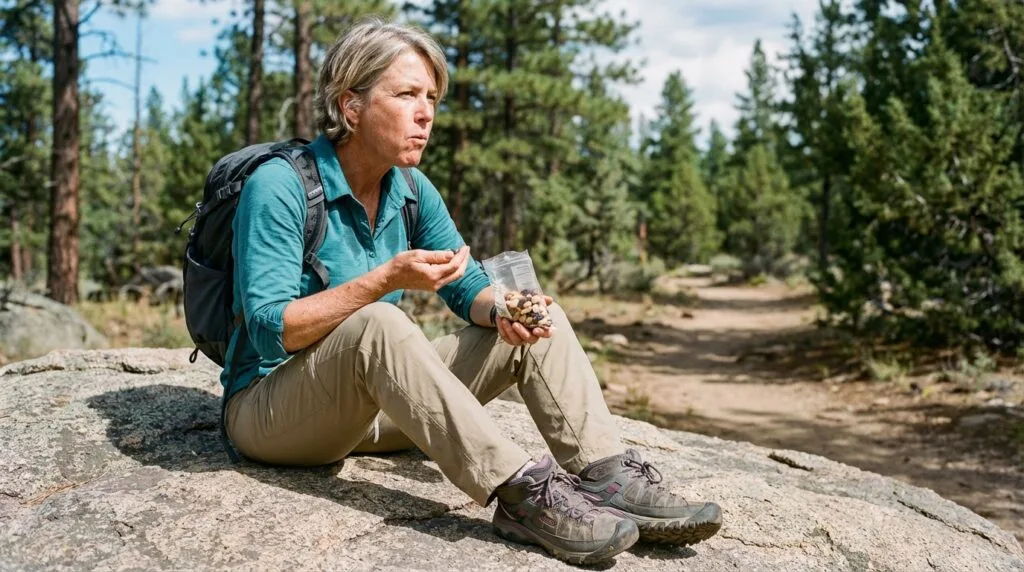
Definition: Day hike nutrition means fueling your body with the right balance of carbs, proteins, and fats to maintain energy on the trail. What to eat on a day hike is the kind of question that sounds obvious until mile four proves otherwise. I learned this on a 7.5-mile loop through the Delaware Water Gap in my second summer hiking. I had eaten a full breakfast during the drive, felt strong through the first three miles, and hit the turnaround point thinking I was managing fine. Then I went ninety minutes without eating anything. By mile six, my legs had…
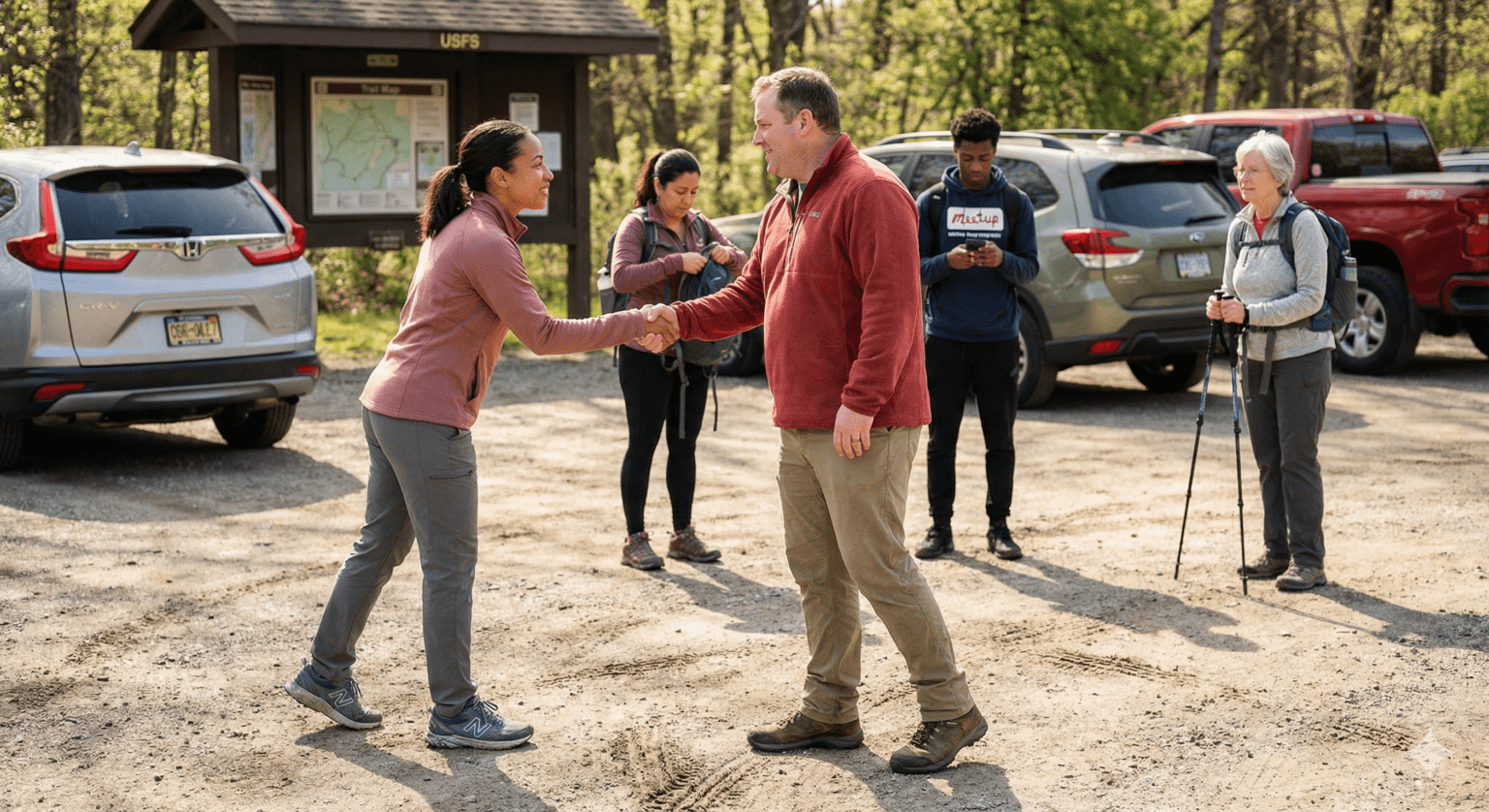
How to find hiking partners is something almost every new hiker hits around week three. The first hike is usually solo or with a reluctant friend who goes once and then has a standing conflict every Saturday. After that, you want someone consistent, and the obvious moves produce almost nothing: texting people who don’t hike, posting vaguely on Instagram. ⚡ Quick Trail Takeaways Local Hiking Clubs: Join local chapters of AMC, Sierra Club, or established Meetup groups with designated trail coordinators. Skill Matching: Choose group hikes rated explicitly for beginner paces (1.5-2.0 mph) to avoid falling behind or overexertion. Safety…
Here is the direct answer to how far can a beginner hike in a day: most adults starting out do well on 2 to 4 miles with minimal elevation gain. That is the benchmark. Where you land in that range depends on three things most beginner hiking guides skip entirely: your current fitness baseline, the elevation gain on your specific trail, and the trail surface underfoot. ⚡ Quick Trail Takeaways Beginner Mileage Cap: First-time hikers should limit initial hikes to 3 to 5 miles on flat to rolling terrain. Pacing Benchmark: Average beginner pace is 1.5 to 2.0 miles per…
Elevation gain hiking explained in plain terms: it’s the total amount of uphill climbing on a trail, measured in feet. That definition is technically correct and almost useless without context. A trail listing “1,000 feet of elevation gain” can mean a pleasant rolling walk or a leg-burning slog, depending entirely on how that gain is distributed. ⚡ Quick Trail Takeaways Staircase Comparison: 1,000 feet of vertical gain equals climbing approximately 70 flights of commercial building stairs. Heart Rate Management: Elevations above 8% grade double cardiovascular effort; shorten stride length to keep breathing steady. Descent Impact: Downhill descent places up to…
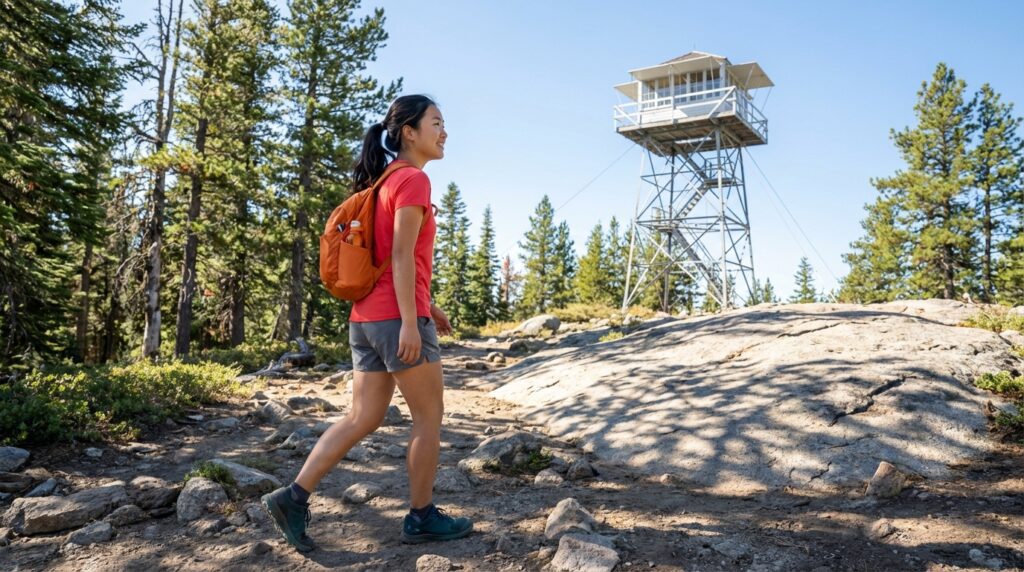
Fire lookout hiking trails are maintained paths that lead to historic fire towers built across US national forests and parks specifically to spot wildfires before they spread. Most are short. Most end at a view that takes 30 seconds to describe and an hour to stop looking at. And most fire lookout hiking trails were originally designed to be accessible to fire crews on foot, which means the approach tends to be well-graded, consistently marked, and shorter than hikers expect from the views they deliver. ⚡ Quick Trail Takeaways Historic Navigation Points: Lookout towers offer 360-degree panoramic vantage points with…
The hiking motivation tips that actually work on trail are not about mindset or mantras. They are specific mental maneuvers you practice on purpose, starting before the hard part begins. ⚡ Quick Trail Takeaways Micro-Targeting Technique: Focus eyes only 10-20 steps ahead to the next landmark tree or rock rather than staring at the peak. Cadence Breathing: Match 2 footfalls per inhale and 2 footfalls per exhale to stabilize heart rate on demanding ascents. Scheduled Rest Stops: Take 60-second standing breather breaks every 15 minutes instead of long sitting breaks that stiffen muscles. My third real hike was a 4.3-mile…
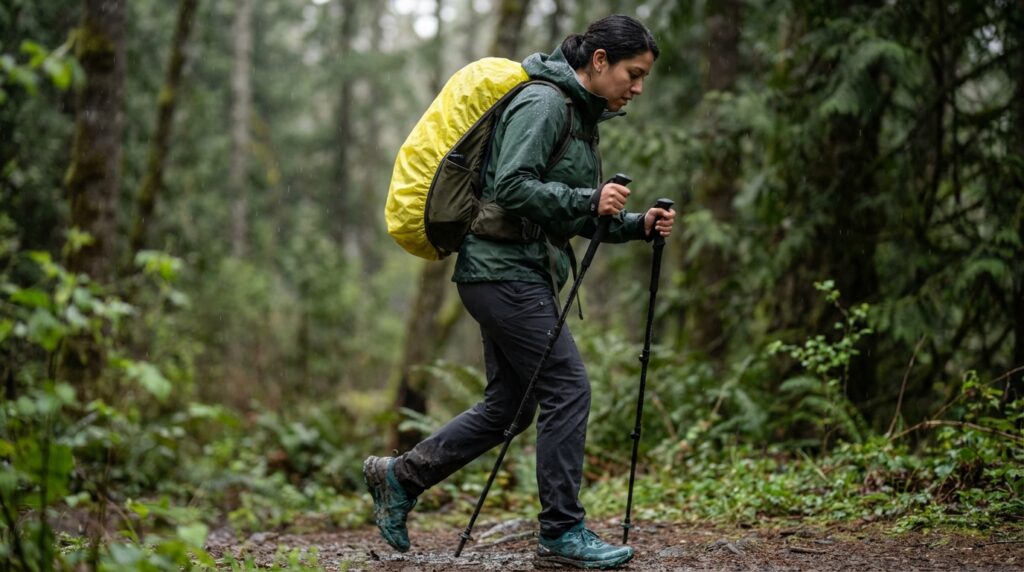
Most rain hikes are fine. That is the honest starting point, and most hiking in the rain tips content skips it because alarm gets more attention than reassurance. ⚡ Quick Trail Takeaways Layering Strategy: Wear breathable waterproof hard shells with pit zips and moisture-wicking synthetic baselayers. Zero cotton. Slip Hazards: Wet exposed roots and mossy granite have 70% less friction; take shorter, flat-footed strides. Turnaround Conditions: Rising stream crossing levels, dropping temperatures near 34°F (hypothermia zone), and thunder require turning back. Rain changes the trail surface, reduces visibility slightly, and makes your gear work harder. It does not automatically make…
Hiking for weight loss works. Not as a slow burn that requires patience and optimism. As a calorie-expenditure tool that, at three sessions per week on trails with real elevation, produces measurable changes in body composition within eight to twelve weeks for most people who start from a sedentary baseline. ⚡ Quick Trail Takeaways Caloric Expenditure: Hiking burns 400 to 600 kcal/hr depending on body weight, pack load, and incline grade. Incline over Speed: Hiking uphill at a moderate pace activates larger posterior chain muscles and burns more fat than running flat. Post-Hike Nutrition: Refuel with high-protein whole foods rather…
The most useful group hiking tips for beginners have nothing to do with how fit you are. They have to do with what happens in the parking lot before anyone takes a step. ⚡ Quick Trail Takeaways Pace Setter Protocol: Place the slowest hiker in the second position directly behind the leader to dictate sustainable group pace. Designated Sweep: Assign an experienced hiker with first-aid knowledge as the rear sweep so no one gets left behind. Junction Stopping Rule: The entire group must stop and regroup at every trail fork or junction before continuing. I learned this on a 5.4-mile…
The honest answer to building hiking confidence is that it does not come from reading more articles about hiking. It comes from your second hike, not your first. ⚡ Quick Trail Takeaways Repetition Rule: Build trail confidence by repeating the same familiar 2-mile local loop 3 to 4 times before attempting new routes. Solo Safety Benchmarks: Choose heavily trafficked state park trails with steady weekend visitors when hiking solo for the first time. Essential Self-Reliance: Master reading offline GPS topographic maps and basic blister first aid to eliminate trail vulnerability anxiety. Your first hike is data collection. You will be…
The most useful beginner hiking tips are not the ones that sound impressive. They are the ones that prevent the specific, avoidable problems that end hikes early and put people off the trail entirely. ⚡ Quick Trail Takeaways Gear Priority: Invest in proper footwear and merino wool socks before spending money on expensive technical outer layers. Hydration Formula: Carry a minimum of 0.5 liters per hour in mild weather, scaling to 1.0 liter per hour in temps above 80°F. Energy Management: Start climbs 20% slower than you think you need to; sprinting early guarantees exhausted quadriceps. My first real hike…
A wilderness area is not a harder version of regular trail hiking. It is a legally distinct land classification under the 1964 Wilderness Act, and it removes nearly every system that makes standard trails navigable for unprepared hikers: marked trails, maintained tread, trail signs, rangers on patrol, and in most sections, cell service. ⚡ Quick Trail Takeaways Zero Cell Coverage: Federally designated Wilderness areas prohibit cell towers; carry a 2-way satellite communicator (Garmin inReach/ZOLEO). Strict Leave No Trace: Pack out all solid waste, food scraps, and used toilet paper; camp at least 200 feet from all water sources. Self-Rescue Expectation:…
A ridgeline trail for beginners is easy to underestimate. The trail description reads something like “moderate, 5.2 miles, 900 feet elevation gain, great views.” None of that tells you the climb is front-loaded into the first 1.8 miles, that the wind at the ridge crest is 30 mph when it’s calm in the parking lot, or why three separate groups turned around on the section I hiked last August before 11 AM. ⚡ Quick Trail Takeaways Rapid Weather Shifts: Ridgelines experience wind speeds 2-3x higher than valleys and drop temperatures rapidly when clouds roll in. Lightning Window: Descend below the…